
Your Dog Isn’t “Bad”—But Your Environment Might Be
What Science Says About Dog Bites (and How Pet Parents Can Prevent Them)
Ever heard someone say, “He’s never bitten anyone before”? Here’s the uncomfortable truth: most dog bites don’t come from “bad dogs.” They come from normal dogs in risky situations—often created by humans.
A brand-new qualitative study published in BMC Public Health dug deep into why dog bites happen, and the findings are surprisingly relevant for pet parents everywhere—not just in the communities studied. The takeaway? Dog bites are less about aggression and more about environment, habits, and human blind spots
The Big Reveal: Dog Bites Are a Human Systems Problem
Most people assume dog bites happen because:
- the dog was “mean,”
- the dog was a stray, or
- the bite came out of nowhere.
The research tells a very different story. Dog bites tend to cluster where three things overlap:
- Confusing or stressful environments for dogs
- Risky (but totally normal) human behaviors
- Weak systems around dog management and education
In other words: dogs are reacting to the world we put them in.
🗑️ 1. Why Trash, Chaos, and Stress Make Dogs More Likely to Bite

One of the strongest findings? Messy environments matter. A lot. When dogs have:
- easy access to food scraps,
- lots of noise and foot traffic,
- unpredictable human movement,
…they become more alert, territorial, and stressed.
Think of it this way: 👉 A stressed dog is like a person stuck in rush-hour traffic on an empty stomach. One more trigger and—snap.
What pet owners can do:
- Secure trash bins (especially outdoors)
- Don’t let dogs roam freely “just for a bit”
- Keep feeding routines consistent
- Reduce chaotic spaces around your dog’s territory
Clean environments = calmer dogs = fewer bites.
2. The Myth of “He Knows Me” (And Other Risky Beliefs)
One of the most dangerous assumptions uncovered by the study? “This dog wouldn’t bite me.” People often believe:
- familiar dogs are harmless
- guard dogs “know their job”
- herding dogs won’t bite
- neighborhood dogs are basically pets
Science says: familiarity breeds overconfidence, not safety.
Dogs don’t bite because they’re evil. They bite because:
- they’re startled,
- protecting food or puppies,
- overwhelmed,
- misread by humans.
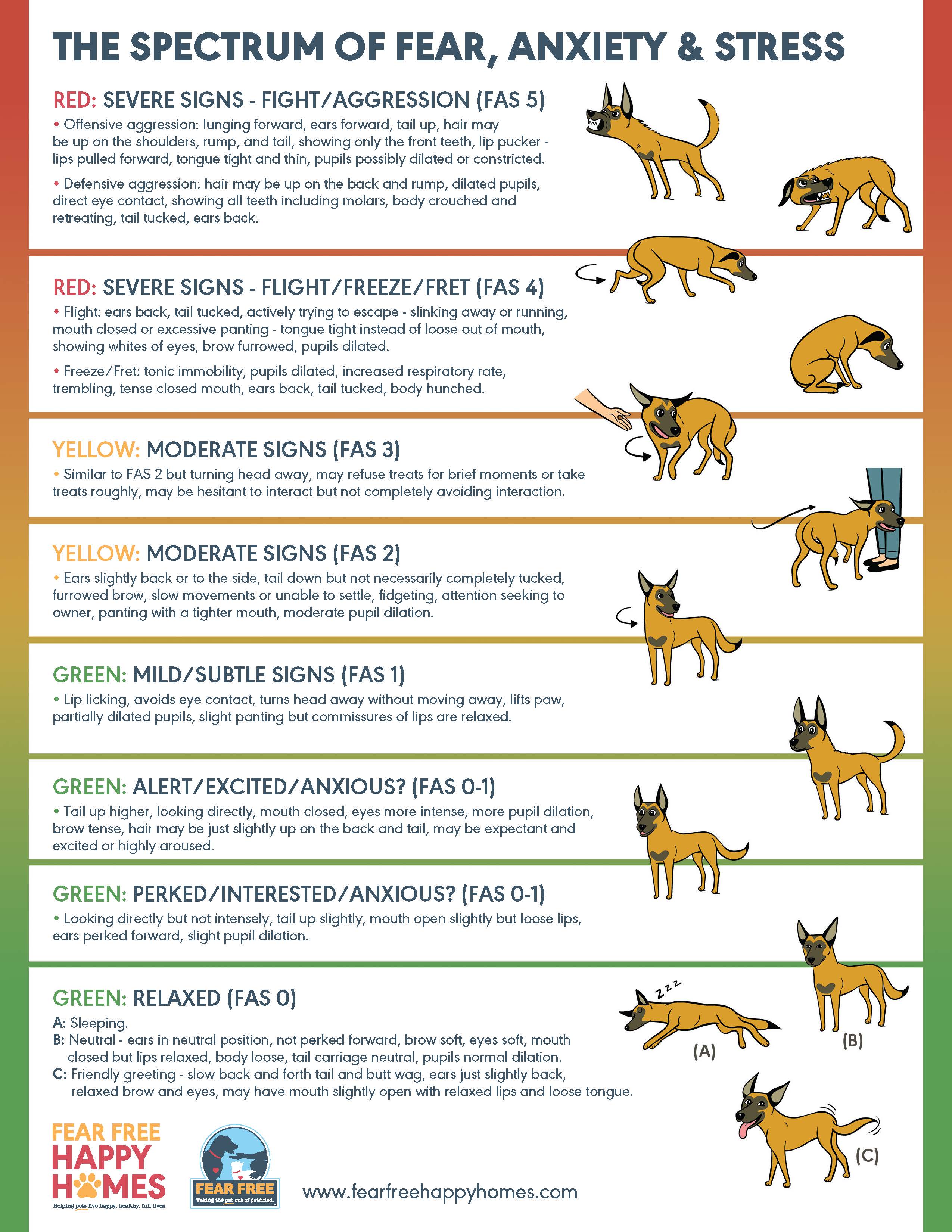
Dog body language most people miss:
- stiff tail or frozen posture
- growling (this is a warning, not bad behavior!)
- avoiding eye contact
- backing away
Ignoring these signs is like ignoring a smoke alarm.
3. Why Kids (and Older Adults) Are Most at Risk
Children and older adults are bitten more often—and it’s not random. Kids:
- move fast
- yell or run
- hug dogs tightly
- stare directly into dogs’ eyes
To a dog, that can feel like a threat.
Older adults:
- have slower reaction times
- may not be able to move away quickly
- are more vulnerable to serious injury
What pet parents should do:
- Teach kids how dogs say “no”
- Never assume supervision isn’t needed
- Create dog-only rest spaces
- Advocate for leash rules in your community
👉 Dog bite prevention is really kid safety education.
4. Why Free-Roaming Dogs (Even Owned Ones!) Increase Risk
One of the most surprising findings: owned dogs that roam freely were linked to more bites than strays.
Why?
- They defend territory
- They interact with people unpredictably
- They aren’t consistently supervised
Letting a dog wander may feel normal—but from a safety perspective, it’s a gamble.
Smart dog management basics:
- Leashes aren’t optional—they’re protective
- Neutering reduces roaming and aggression
- Training isn’t about obedience; it’s about communication
Think of leashes like seatbelts. Most days you won’t need them—until you really do.
The Bigger Trend: Prevention Beats Reaction
The study highlights a powerful shift happening in pet health:
🚑 We’re great at treating dog bites
🛑 We’re terrible at preventing them
Rabies vaccines and emergency care save lives—but they don’t stop bites from happening in the first place. The future of pet health is:
- prevention,
- education,
- safer shared spaces,
- responsible ownership.
And that future starts at home.
5 Science-Backed Ways to Reduce Bite Risk Today
Here’s your quick, shareable checklist:
- 🧹 Keep trash secured and outdoor areas calm
- 🐾 Never allow unsupervised roaming
- 👀 Learn dog body language (and teach your kids)
- 🦴 Avoid approaching dogs while eating or resting
- 🧑🏫 Support community education and leash norms
Small changes. Big impact.
Final Thought: Good Dogs Still Need Good Systems
Dog bites aren’t a morality issue. They’re a systems issue. When we:
- design safer environments,
- respect dog communication,
- manage dogs responsibly,
…we protect both people and pets. That’s a win everyone can wag about.
Share Your Pet’s Story
- Have you ever misunderstood your dog’s signals?
- What’s the best tip you’ve learned for keeping dogs and kids safe?
- How do you help your dog stay calm in busy environments?
Drop a comment, share this post with a fellow pet parent, and let’s make science-backed pet care the new normal.