Understanding Alpha-Gal Syndrome: A New Challenge in Pet Health
Alpha-gal syndrome (AGS) is a relatively new and unusual health issue caused by a tick bite, resulting in an allergy to red meat and products derived from mammals. This condition has not only affected humans but also raised concerns among veterinarians about its effects on pets.
What is Alpha-Gal Syndrome?
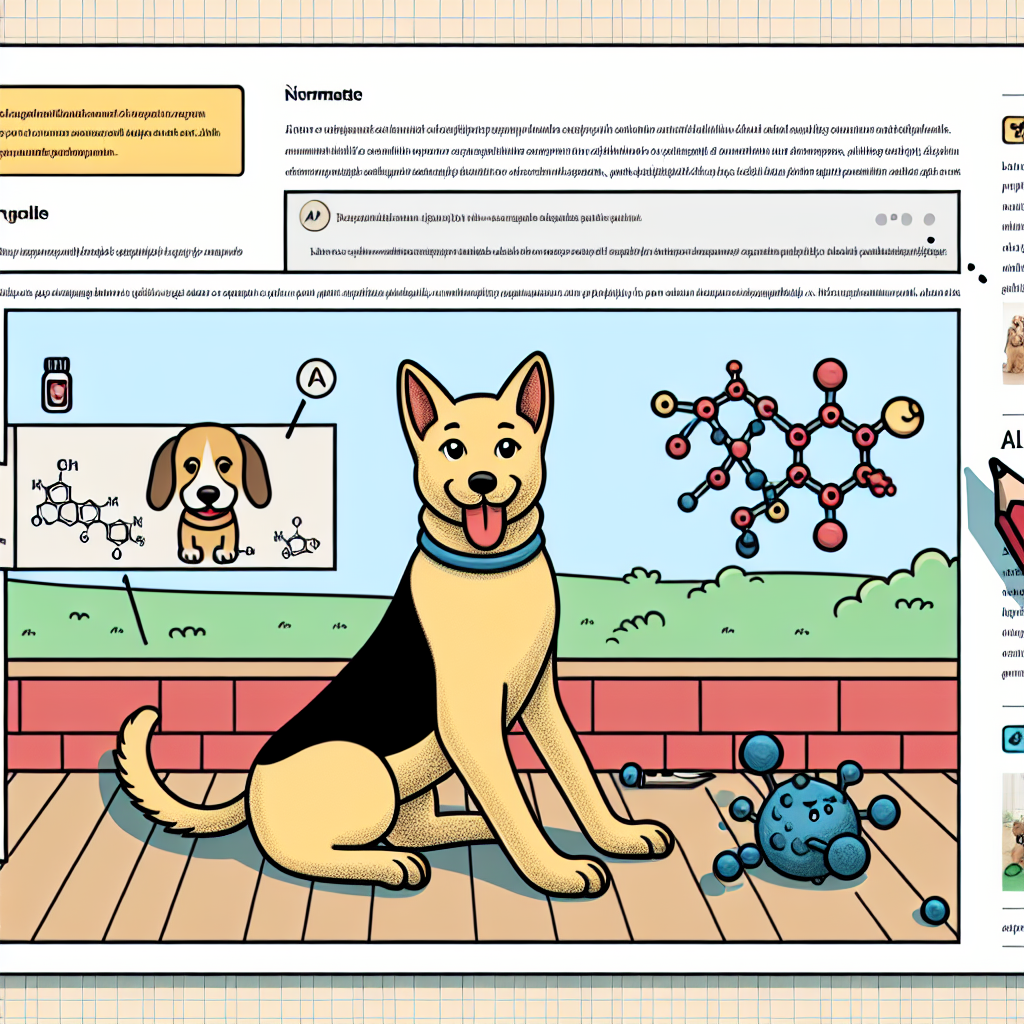
AGS is triggered by the bite of certain tick species, such as the Lone Star tick, which transfers a sugar molecule called alpha-gal into the body. For a detailed understanding of this condition, you can refer to the CDC’s overview.
How it Affects Pets
While AGS is primarily noted in humans, there is growing interest in its impact on pets, especially as they share environments where ticks are prevalent. Pets exposed to tick habitats are at potential risk. Although concrete cases in pets are not widely reported, the plausible threat suggests the importance of preventive measures.
Symptoms and Diagnosis
The symptoms of AGS can vary but typically emerge hours after eating red meat. These can range from digestive issues to severe allergic reactions. For pets, vigilance is crucial. Watch for signs such as vomiting, fatigue, or changes in appetite after exposure to tick-infested areas or dietary changes.
Managing and Preventing AGS in Pets
Regular tick prevention methods, such as spot-on treatments and tick collars, remain essential. Keeping pets away from known tick habitats is also a key preventive strategy. For pet owners concerned about AGS, consulting a veterinarian for advice on safe diet adjustments or testing can offer peace of mind.
Impact on Pet Health Industry
The rise of AGS calls for increased awareness among pet health professionals. The potential risk of this syndrome in domestic animals could drive greater demand for research and products to mitigate tick bites and their consequences.
Finally, researchers and veterinarians are encouraged to explore and document cases in which pets may have experienced similar reactions, as unraveling these cases would be invaluable for broader public health insights.
As our understanding of AGS in pets evolves, being informed and proactive remains critical in ensuring our furry companions lead healthy lives.