Is Your Cat’s Diet Hurting Their Teeth?
Did you know your choice of cat food might be affecting your furry friend’s dental health? Recent research uncovers surprising connections between what your cat eats and their risk of painful tooth conditions.
If you’re a cat parent, you’ve probably faced the peculiar dance of picky eating, strange food preferences, and the occasional dental dilemma. Whether your cat is cruising through their food or they’re a notorious snacker, understanding their dental health is key. But here’s where it gets interesting…
Bring in the Research Story (How We Know This)
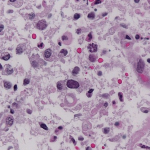
In this study, researchers in Thailand conducted an observational study on 166 cats to explore the links between skull type, diet, and a condition called tooth resorption—where the tooth tissue breaks down and can lead to painful lesions. The study observed cats undergoing dental treatments, noting their age, breed, skull shape, and, importantly, their diet.
And then, the results started telling a story…
What They Found (The Big Takeaways)
- Cats with brachycephalic skulls (shortened faces, like Persian breeds) developed severe tooth resorption at younger ages.
- Non-brachycephalic cats (more common domestic breeds) tended to have more chronic inflammation but weren’t as prone to tooth resorption due to it.
- Cats eating premium diets had more severe dental issues than those on commercial diets. This was especially true for non-brachycephalic cats.
Now comes the part pet owners can actually use…
The Pet Owner Playbook (Practical Tips)
Consider Your Cat’s Breed
- If you have a brachycephalic cat, like a Persian or Exotic Shorthair, consider early dental checks. These cats can develop severe tooth issues early on.
Rethink the Premium Diet
- Premium doesn’t always mean better for teeth. Ask your vet if your cat’s diet is contributing to dental issues, especially in non-brachycephalic cats.
Monitor Dental Health
- Check your cat’s mouth regularly for any signs of discomfort, swelling, or redness. It’s a quick way to catch problems early and consult your vet if needed.
But there’s one more twist worth knowing…
What This Means for the Future of Pet Care
This study highlights how skull type and diet significantly impact your cat’s dental health. As we learn more about these relationships, personalized nutrition strategies are on the horizon—ones that consider breed, lifestyle, and environmental factors to tailor a diet that might prevent dental problems before they start.
So what should we do with this new knowledge?
Let’s Explore Together (Closing + Conversation Spark)
Have you ever noticed these patterns in your cat? What’s one small change you’d try this week? If you could ask a vet researcher one question about your pet’s health, what would it be?
This article is for education and isn’t veterinary medical advice—if your pet has sudden or severe symptoms, contact a veterinarian.
Related: 5 signs your dog’s diet isn’t working
Related: How to manage your cat’s anxiety naturally
Related: Why regular vet check-ups really matter