Pet Parasites Lurking in Your Home
In the vast world of animal companionship, pets add joy, love, and even health benefits to our lives. However, as much as we cater to their well-being, hidden threats often lurk undetected in our homes. Among these, parasites pose a significant challenge, impacting pet health and potentially leading to human health issues if not managed adequately.
Recognizing the Unseen: Common Parasites Affecting Pets
The case of the parasitic mite larvae discovered on spiders exemplifies the complexity and stealth of nature’s parasitic relationships. Scientists recently identified a new species of mite in Brazil that preys on young spiders, highlighting how much remains unseen in nature’s intricate web (Science Daily.)
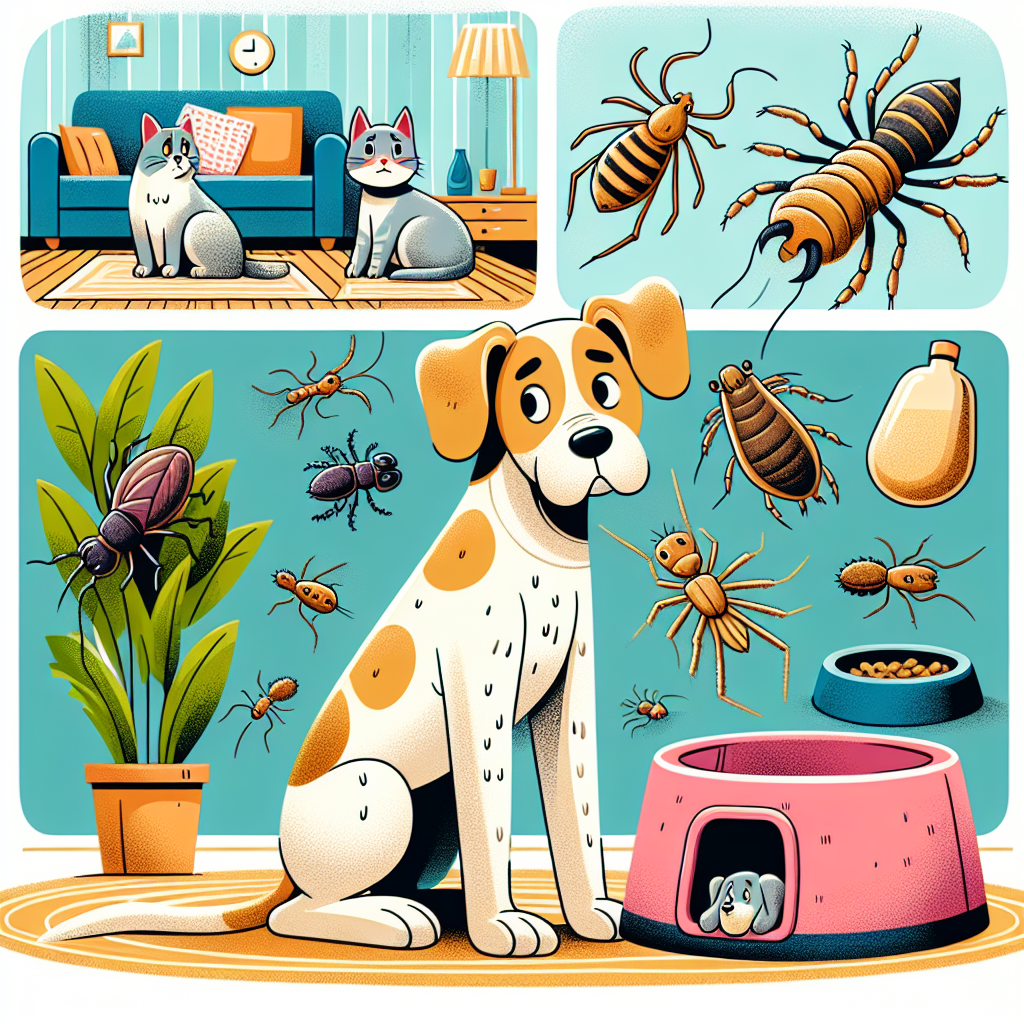
Much like these spiders, our beloved pets can fall prey to various parasites, notably fleas, ticks, mites, and worms. These parasites can cause a range of health problems, from minor skin irritations to severe illnesses such as Lyme disease and heartworm disease.
Fleas and Ticks: More Than Just a Seasonal Concern
Flea and tick activity is often associated with warmer months. However, understanding the risks year-round is paramount. Ticks, for instance, are carriers of diseases such as Lyme disease, which can lead to chronic health conditions in pets and humans. Similarly, fleas, though primarily a nuisance, can cause severe allergic reactions and are vectors for tapeworm infections
‘In the rapidly changing environment of the Atlantic Forest, mosquitoes adapting to human hosts underscores the adaptability and survival strategies of parasites.’ – Science Daily.
This adaptability of parasites to changing environments emphasizes the need for vigilant pet care practices, especially in diverse climatic conditions.
Invisible Invaders: Internal Parasites
While fleas and ticks are visible and thus more straightforward to manage, internal parasites such as heartworms, roundworms, and hookworms often remain concealed, inflicting damage quietly. Recent studies reveal that overlooked threats significantly affect ecosystem health and warn of similar hidden threats posed by internal parasites in animals.
Intersecting Worlds: Human Health Risks
Parasites are not only a threat to animals but also pose risks to humans. The migration and adaptation of species, whether in mosquitoes or other vectors, show how diseases can transcend barriers aimed at specific hosts (Science Daily.)
One stark example of this is zoonotic diseases, which are transmitted from animals to humans. With over 60% of human infectious diseases originating in animals, robust preventive measures should be part of routine care for pets.
Prevention and Control: Navigating the Solutions
Prevention is the cornerstone of tackling parasite-related issues. Regular veterinary check-ups, maintaining cleanliness, administering flea and tick preventives, and deworming are effective strategies for keeping pets healthy and safe. Moreover, understanding the life cycle and biology of these parasites can help in deploying more effective control methods tailored to specific environments.
In regions such as the Western Highlands of Guatemala, adopting safe drinking methods helps identify and mitigate environmental risks. Such strategic approaches highlight the importance of making informed choices to manage similar risks within home environments for both pets and people (Science Daily.)
Ongoing Research and Education
The connection between animal health and broader ecological systems is increasingly clear, prompting a need for public education on responsible pet ownership and environmental stewardship. Steady advancements in identifying genetic and ecological changes continue to shed light on more effective prevention strategies, ensuring healthier home environments for pets and humans alike The Scientist.
Conclusion
The interplay between pets, parasites, and human health is an intricate yet crucial relationship that must be managed with knowledge and proactive care. By understanding and implementing effective prevention and treatment strategies, we can ensure that the safety and joy our pets bring to our lives are not compromised by these hidden threats.
For additional guidance on pet health, continue exploring authoritative veterinary and scientific resources.