How Bees and Hummingbirds Are Reshaping Our Understanding of Alcohol Tolerance
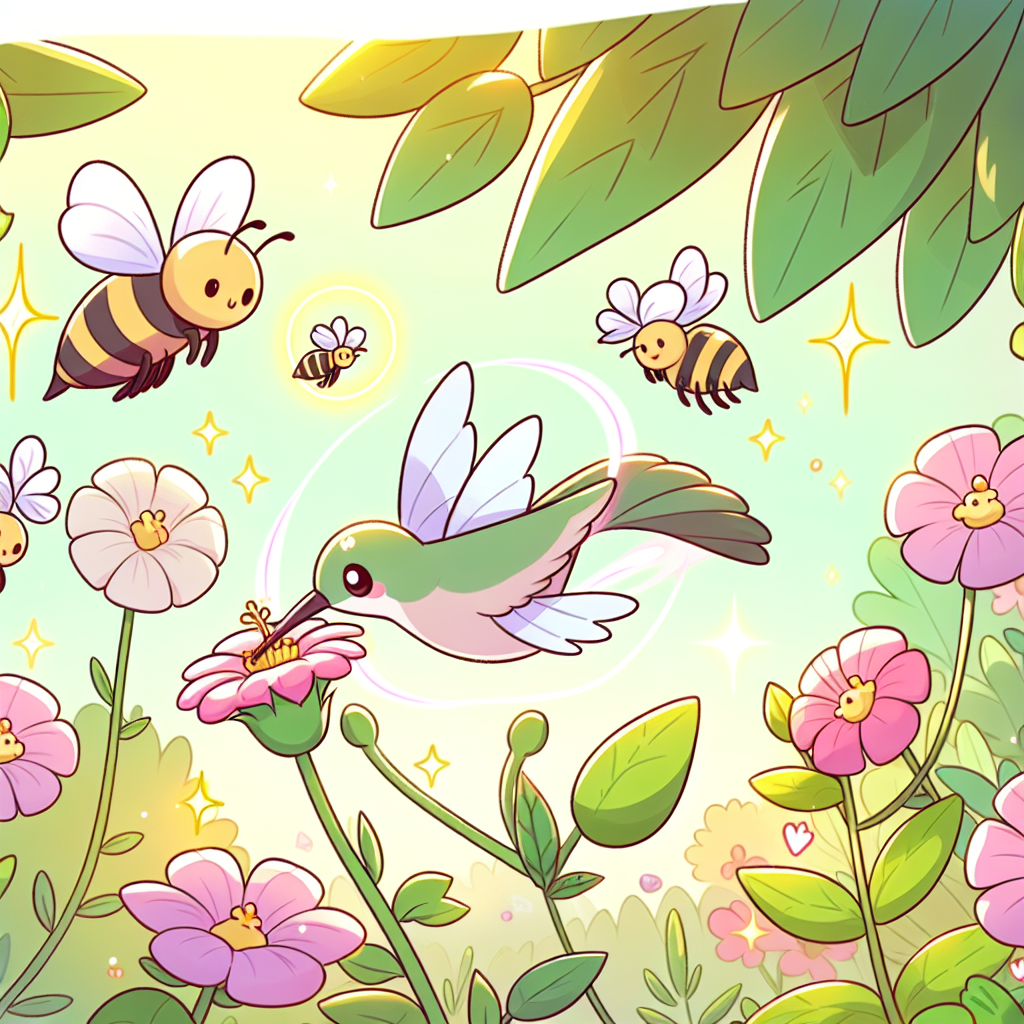
Research from Science Daily reports that bees and hummingbirds, often exposed to alcohol through nectar, have shown no signs of intoxication despite the volumes consumed. This suggests an evolutionary adaptation that may invite a broader investigation into alcohol tolerance in animals.
Understanding Alcohol Tolerance in Pollinators
Flower nectar is not just sugar water. It often contains trace amounts of ethanol, produced when naturally occurring yeast ferments the sugars within it. In fact, researchers detected ethanol in nectar from the majority of plant species they examined, with some samples reaching measurable levels.
While these amounts may sound small, they add up quickly. Hummingbirds, for example, consume between 50% and 150% of their body weight in nectar every single day. That means their daily alcohol intake, relative to body size, can be comparable to a human having a standard drink.
And yet, they do not appear drunk. They continue flying, feeding, and navigating with precision.
Why? The answer likely lies in metabolism and evolution. Hummingbirds have incredibly fast metabolic rates. They burn energy almost as quickly as they consume it, which likely prevents alcohol from accumulating in their system. At the same time, evidence suggests they actively metabolize ethanol, producing byproducts similar to those found in mammals.
Even more interesting, these animals seem to regulate their intake. Experiments show that hummingbirds will tolerate low levels of alcohol but begin to avoid nectar when ethanol concentrations rise above about 1–2%. This suggests not just tolerance, but behavioral awareness.
More Than Just Intoxication
Researchers are beginning to ask a deeper question. What if alcohol is not just something these animals tolerate, but something that subtly influences their behavior?
Nectar already contains compounds like caffeine and nicotine that can affect memory, foraging patterns, and plant-pollinator relationships. Ethanol may play a similar role. It might influence feeding preferences, energy regulation, or even navigation in ways we do not yet fully understand.
In other words, the story is not simply about avoiding intoxication. It is about how organisms evolve alongside the chemical environments they depend on.
The Significance for Pet Health
So what does this mean for pets?
At first glance, your dog or cat is not sipping fermented nectar. But this research opens up a broader conversation about how animals adapt to substances in their environment.
Adaptation research like this highlights how long-term exposure can shape biology. Over evolutionary time, species develop metabolic pathways that allow them to process compounds that would otherwise be harmful. This raises important questions about how modern animals, including pets, respond to human-created environments filled with new chemicals, additives, and dietary changes.
There are also implications for the pet care industry. As demand grows for more precise, science-backed nutrition, understanding how animals metabolize different compounds becomes increasingly important. Insights from pollinators could eventually inform how we think about metabolism, tolerance, and even ingredient formulation in pet foods.
A Window Into Evolution
Perhaps the most compelling takeaway is this: alcohol consumption is not uniquely human, and our response to it may not be universal across species.
From hummingbirds to tree shrews to primates, many animals encounter ethanol as a natural part of their diet. The difference lies in how they have adapted to it.
This research invites us to think more broadly about biology. It reminds us that what seems unusual or even risky in one species may be completely normal in another. And it opens the door to new questions about metabolism, behavior, and the hidden chemistry of everyday life.
For pet owners and animal health enthusiasts, it is a fascinating glimpse into how deeply evolution shapes even the smallest details of survival.
This research adds a valuable layer to the ongoing work in animal health, indicating potential parallels in common pets.