
Hidden Mosquito Vectors and Nanotech Vaccines in Animal and Human Health
When it comes to protecting our pets, wildlife, and even ourselves, scientific insights from different fields often intersect in surprising ways. This week’s standout research highlights how understanding mosquito vectors, advancing care for aging HIV patients, and harnessing nanotechnology for vaccines are each making waves in companion animal care, veterinary medicine, and public health.
Anopheles Mosquitoes: The Understudied Players in Virus Spread
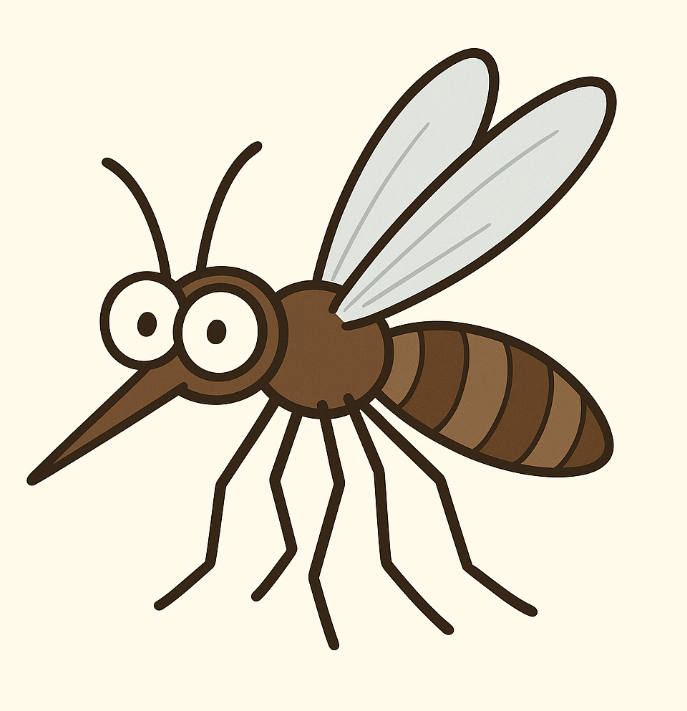
Mosquitoes are infamous for spreading mosquito-borne diseases, but most pet owners and vets think first of Aedes or Culex species when it comes to viruses. A new comprehensive review analyzed more than four hundred experimental studies to explore the vector competence — that is, the ability to carry and transmit viruses — of Anopheles mosquitoes, commonly known for spreading malaria. Interestingly, while Anopheles species primarily transmit Plasmodium parasites, several have been confirmed to serve as secondary vectors for arboviruses. This may seem like a minor role, but it matters because these mosquitoes can extend the virus transmission season and even help viruses survive the colder months in temperate regions. For animal care professionals and veterinarians, this reminds us to consider a broader range of mosquito species when evaluating arboviral risks to pets, livestock, or wildlife, especially as climate change influences mosquito populations and activity patterns.
Nanoparticle Carriers Enhance DNA Vaccine Delivery Against Avian Virus
Finally, a breakthrough in vaccine technology offers hope for better disease control in animals. Newcastle disease, caused by Avian Orthoavulavirus 1, remains a threat to poultry health worldwide. Researchers compared three polymeric nanoparticle carriers — chitosan, PLGA, and PAMAM dendrimers — for intranasal and intramuscular delivery of a DNA vaccine in chickens. The PAMAM dendrimer formulation given intramuscularly led to 100 percent survival and the strongest antibody response, while PLGA nanoparticles also improved protection via the intranasal route. Chitosan carriers underperformed in this setting. These findings highlight how the choice of vaccine carrier and route of administration can make a significant difference in immune priming and protection. For those working in companion animal vaccination, this underscores the growing potential of nanotechnology to create more effective, targeted vaccines against viral diseases.
Connecting the Dots for Animal and Human Care This week’s studies remind us that a comprehensive understanding—from mosquito ecology to advanced vaccine delivery—enriches our ability to care for animals and people alike. Recognizing secondary vectors helps refine disease prevention strategies in pets and wildlife. Holistic, early screening in aging populations improves outcomes and can inspire pet care tailored to older animals’ complex needs. Cutting-edge vaccine technologies may soon transform disease control across species. Stay tuned as we continue to bring you evidence-based innovations that matter to your everyday work caring for animals and those who cherish them.