
How Pets Could Transform Social Life in Retirement Villages
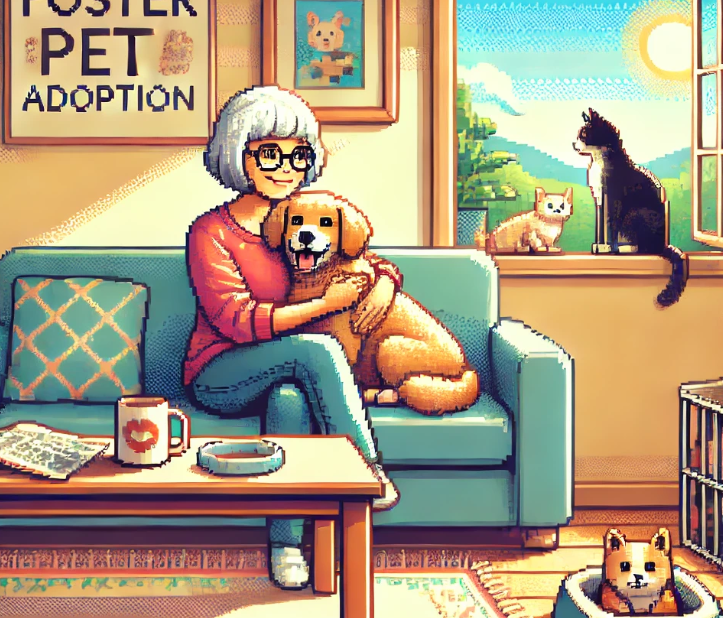
Picture this: a gentle golden retriever meanders around a sun-dappled courtyard in a retirement village. Nearby, a resident chuckles as she chats with a neighbor about her dog’s antics, breaking the ice and forming new friendships—all thanks to this furry companion.
If you’re considering a retirement village for yourself or a loved one, you might wonder about the role pets could play in enriching this new phase of life. A recent study examined how pets can foster social connections and boost well-being in retirement communities. However, not all villages welcome pets, raising questions about the balance between companionship and community needs.
Research Questions and Methods
The researchers aimed to understand the impact of pet policies on retirement village life. They conducted interviews with residents and managers in four villages, three of which allowed pets without restrictions and one of which had a no-pet policy. By gathering insights about the role of pets in these communities, the study explored the broader concept of ‘social capital’—the networks of relationships among people who live and work in a particular society.
Key Findings: The Role of Pets in Community Life
The study revealed several key themes concerning the impact of pets on individual and community well-being in retirement villages:
Pets as Family and Companions
For many residents, pets were more than animals—they were vital members of the family. Pets provided companionship, security, and a reason to engage in daily routines, such as regular walks, which not only benefited physical health but also offered opportunities for social interaction.
Pets Facilitating Social Connectivity
Pets helped break down social barriers between residents. People found common ground through shared pet care responsibilities or while exchanging stories during walks. This kind of connectivity formed a pillar of community social life, enhancing the overall sense of belonging and security.
Pets and Community Dynamics
While pets could foster a sense of community, not everyone shared the enthusiasm. Some residents worried about noise, mess, or the risk of trips and falls from boisterous pets. The village managers highlighted the challenge of enforcing respectful behavior and maintaining harmony among both pet owners and non-owners.
What This Means for Your Pet
If you or a family member are considering moving to a retirement village and bringing a pet, here are a few things to keep in mind:
- Check the village’s pet policy: Are there restrictions on the type, size, or number of pets? Understanding the rules upfront can help you make an informed decision.
- Prepare your pet for the transition: Dogs and cats thrive on routine. Gradually introduce them to the new environment to reduce stress and ensure a smooth adaptation.
- Engage with the community: Use your pet as a bridge to connect with other residents. This could mean joining communal dog-walking groups or simply sharing a smile with fellow pet lovers on your daily walk.
- Balance is key: Be mindful of others who may not be as comfortable around pets and respect shared spaces.
The Hard Part: Turning Evidence Into Better Pet Care
Despite the positive findings, adopting pet-friendly policies in retirement villages is not straightforward. The study highlights challenges such as managing pets in densely populated living environments and addressing individual needs with limited resources. While pets can undoubtedly add to social capital, it requires thoughtful planning and open communication to align the interests of pet owners with those of the wider community.
Furthermore, the study sample was small, and the findings may not generalize to all retirement villages or elderly populations. The experiences and perspectives of managers and residents can vary greatly across geographical and cultural contexts.
The evidence highlights the importance of flexible and adaptable pet policies. Retirement village communities can benefit from a careful balance of rules that respect non-pet-owners while celebrating the joy and companionship pets bring.
In summary, while pets can enhance social bonds and well-being in retirement communities, the journey to a cohesive pet-friendly environment is intricate and requires consideration of diverse needs and preferences.
Questions for Thought
- Would you consider the presence of pets a deciding factor when choosing a retirement community?
- How might you integrate pets into a community setting while respecting individuals who may not share the same fondness for animals?
- What rules or policies do you think would help ensure harmony in a pet-friendly retirement village?