
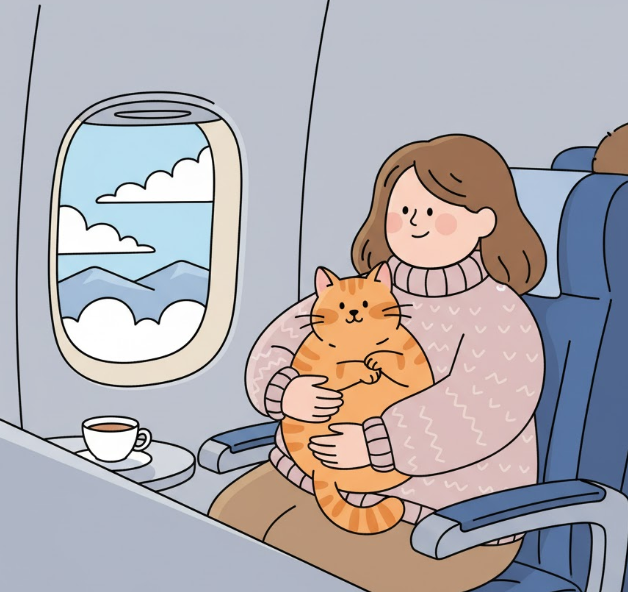
Pigs on Planes? The Real Story Behind Emotional Support Animals (and Your Pet’s Superpowers)
Ever seen a headline about a pig trotting onto a plane, a turkey buckled into a window seat, or a peacock strutting through an airport like it owns the place?
And while those stories get all the clicks, the real science behind emotional support animals (ESAs) and service dogs is a whole lot more interesting — and way more relevant to you and your furry BFF.
Because here’s the truth: Behind every viral “pig on a plane” story is a bigger lesson about how animals help us feel safe, calm, and connected — and how society decides which animals “count.”
And honestly? Your own pet probably does more for your mental health than you realize.
Let’s dig into the surprisingly heartfelt science behind ESAs, service dogs, and why your pet’s cuddles might just be powerful therapy in disguise.
Not All Hero Animals Wear Capes… Some Just Nudge Your Hand
The research behind service animals shows something beautiful. Dogs don’t need superpowers — they just need YOU. Veterans with PTSD describe their service dogs doing small, but life-changing things like:
- Gently nudging them during flashbacks
- Pawing at them during nightmares
- Staying close in crowds
- Providing grounding when anxiety skyrockets
These aren’t fancy “two-page lists of commands.” It’s connection, plain and simple. It’s the soft nudge that says, “Hey, you’re okay. I’m here.”
And here’s the kicker: Even though service dogs get credit for their training, the real healing often comes from simple touch and companionship — something your own pet provides every day.
So Why All the Outrage About Pigs, Turkeys & Peacocks?
Because society often draws weird, invisible lines around which animals “belong” in public — and which don’t.
The research shows that:
Dogs = “legitimate”
People feel comfortable with dogs helping humans, especially big breeds like Labs or German Shepherds.
Pigs, ducks, squirrels, or a random peacock = “LOL, what even?!”
These animals become the punchline of jokes, memes, and late-night TV skits.
But here’s the twist: There were actually very few real reports of “barnyard animals on planes.” The media repeatedly told the story.
And because of the spotlight on these rare cases, people started doubting even legitimate service animals… and the humans who depend on them.
Yikes.
The Big Takeaway for Pet Parents?
Your Pet’s Love Is REAL Therapy, whether Anyone Else Approves or Not: Here’s what the science makes crystal clear:
1. Animals don’t need a certificate to be emotionally powerful.
Your cat curling up on your chest?
Your dog leaning against your leg?
Your rabbit flopping next to you on the couch?
That’s emotional support in action.
2. The “value” of a pet often comes from simple affection, not tricks.
Even in highly trained service dogs, the most healing moments are quiet, physical, and instinctive, not scripted.
3. Society’s rules don’t always reflect how real people use pets to cope.
Whether it’s stress, loneliness, grief, or anxiety — pets help us regulate our feelings in ways no human therapist ever could.
4. You don’t need a pig on a plane to appreciate what your own pet does for you every day.
(Though, let’s be honest — that would be a wild story.)
3 Ways to Boost Your Pet’s Emotional Support Superpowers — Starting Today
Want to help your pet help you? Try these science-backed, pet-parent-approved tips:
1. Make Time for Touch
Gentle petting releases oxytocin (the “bonding hormone”) for BOTH of you.
Try a daily 5-minute “cuddle break.”
2. Create a Calm Zone
Give your pet — and yourself — a quiet, cozy nook for when stress spikes.
Think blankets, favorite toys, low lighting, and no interruptions.
3. Build a Routine You Both Love
Predictable walks, mealtimes, or play sessions reduce anxiety for you and your pet.
(Yes, structure can be self-care.)
Share Your Pet’s Story!
We want to hear it:
How has your pet helped YOU through a tough moment?
Did your dog comfort you during a breakup?
Does your cat act like your personal therapist?
Does your bearded dragon calm you down during stressful days?
Drop your story in the comments — you never know who needs to read it today.
Tags
Related posts:
 Pets, Exercise, and Mental Health: Surprising Insights for Veterinary Professionals
 What the Pandemic Taught Us About Pet Adoption, Abandonment, and the Power of Paw-sitivity
How Integrating Human and Pet Health is Revolutionizing Care for Pets
What the Pandemic Taught Us About Pet Adoption, Abandonment, and the Power of Paw-sitivity
How Integrating Human and Pet Health is Revolutionizing Care for Pets
 Your Cat Video Obsession Might Be Saving Your Mental Health 🐾