Impact of Bird Flu on Marine Mammals
The avian influenza virus, particularly the H5N1 strain, has historically been a concern for bird populations worldwide. However, recent studies and outbreaks have shown an alarming trend: the virus is increasingly affecting marine mammals as well( UC Davis.)
Rising Threats to Marine Life
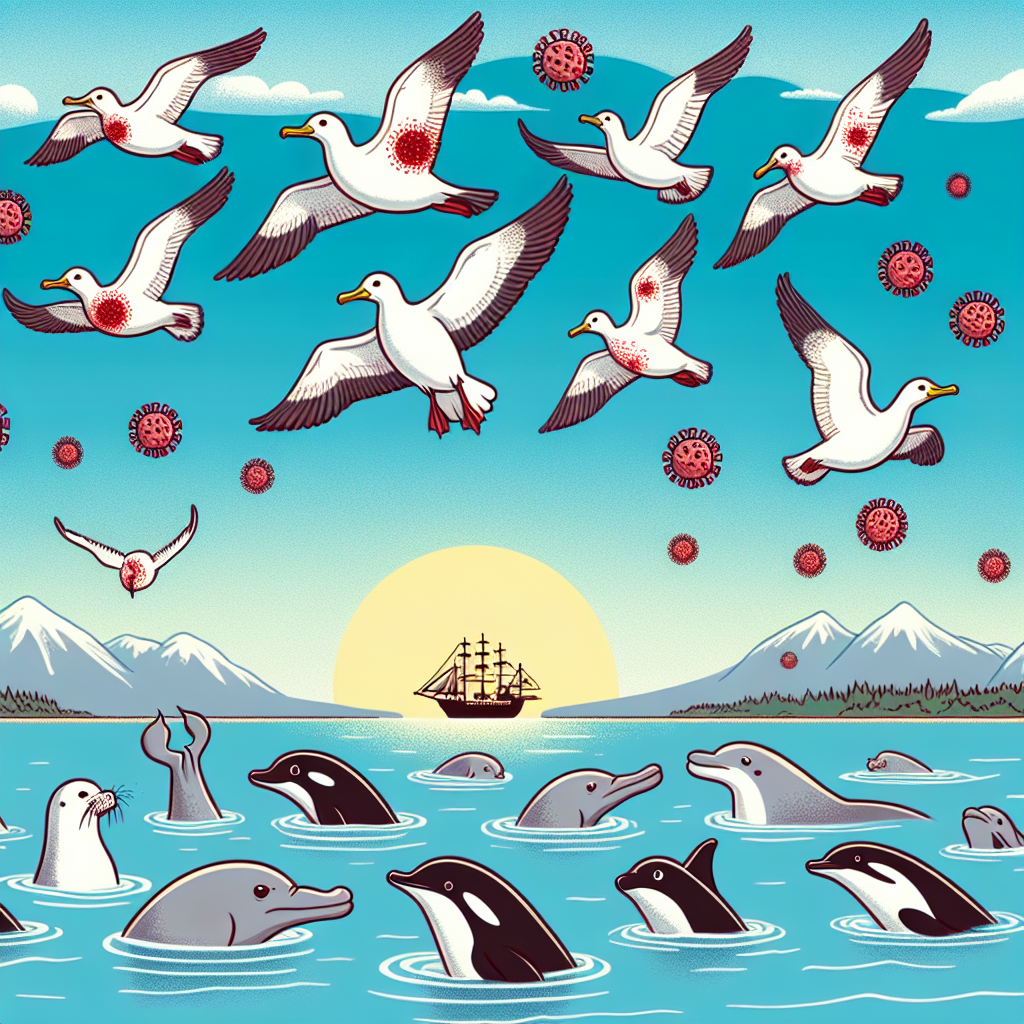
The deadly H5N1 virus has been found to spread not only among seabirds but also among marine mammals, including sea lions, seals, and dolphins. This cross-species transmission is particularly concerning as it suggests the virus is evolving in ways that allow it to infect a wider range of hosts.
In South America, for example, dramatic die-offs were reported among sea lions and seals, with estimates suggesting that tens of thousands of these animals have succumbed to the virus. The transmission is believed to have occurred through close contact with infected birds, but there may be other vectors or environmental factors at play (University of California.)
Implications for Biodiversity
The devastation brought by bird flu to marine mammal populations has significant implications for biodiversity. Many of these species play crucial roles in their ecosystems as apex predators or as keystone species that help maintain the balance of their habitats. The loss of a significant number of individuals can disrupt food webs and lead to unforeseen ecological consequences (BBC.)
Challenges in Containment
Managing the spread of avian influenza within marine environments poses unique challenges. The open nature of these ecosystems means that isolating infected individuals is nearly impossible, and traditional containment strategies used in terrestrial outbreaks are less effective. Furthermore, the rapid mutation and adaptation of the virus complicate efforts to develop targeted treatments or vaccines specifically for marine mammals (PubMed Central.)
The Need for Vigilance and Further Research
The evolving threat of avian influenza to marine life calls for heightened surveillance and research. Understanding the mechanisms of transmission and the factors that favor the virus’s adaptation to marine hosts is critical in formulating effective response strategies (ScienceDirect.)
As researchers race to keep up with the virus’s evolution, there is an urgent need for coordinated global efforts to monitor wildlife health and to develop contingency plans that can be put into action promptly when new outbreaks are detected (Phys.org.)
Overall, the spread of bird flu to marine mammals is a reminder of the interconnectedness of our ecosystems and the unexpected ways in which cross-species transmission can impact global biodiversity.