
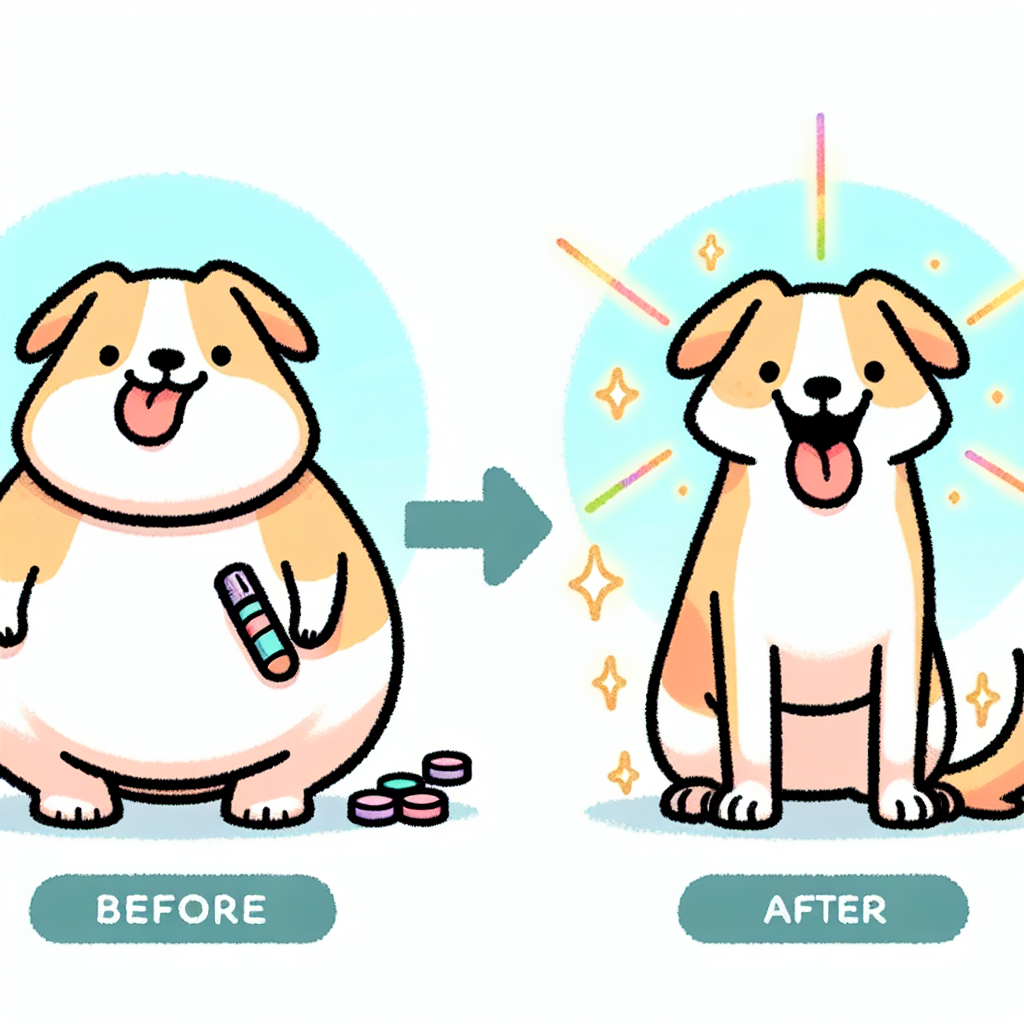
GLP-1 Drugs: A New Hope for Your Pet’s Weight Loss
The world of veterinary medicine is on the cusp of a breakthrough, with the introduction of GLP-1 receptor agonists, drugs that could revolutionize the way we manage pet obesity. As the obesity epidemic continues to affect our beloved cats and dogs, causing a myriad of health issues including diabetes, there is an increasing demand for effective weight management solutions. Just as GLP-1 drugs have been transformative in human weight management, they hold promise for our pets too.
Understanding Pet Obesity
Pet obesity is a prevalent issue affecting nearly 60% of cats and dogs in the United States alone. Excess weight in pets is associated with a shorter lifespan and a higher risk of chronic diseases. As Emily Anthes from The New York Times reports, therapies traditionally used for humans could soon address this growing concern in animals.
The Role of GLP-1 Drugs
GLP-1 (Glucagon-like peptide-1) drugs are primarily used in humans for weight loss and diabetes management. These drugs work by mimicking or enhancing the incretin hormones, which increase insulin release and decrease appetite. Given their efficacy in humans, veterinarians are considering these medications for pets. This adaptation requires thorough clinical trials to ensure safety and effectiveness.
Current Research and Trials
With advancements in veterinary medicine, several companies are now exploring the use of GLP-1 receptor agonists for pets. According to CBS News, a clinical study by Okava Pharmaceuticals is underway, focusing specifically on cats. This study’s goal is to determine if a drug similar to Ozempic can safely reduce pet obesity.
The Science Behind the Solution
The physiological mechanisms by which GLP-1 drugs work in animals are akin to humans. As research from the University of Florida indicates, GLP-1 drugs are well-absorbed in the canine digestive tract, signaling potential success. Still, these therapies must undergo rigorous trials, addressing the unique metabolic and anatomical considerations of pets before widespread use.
Challenges and Considerations
Despite the promising outlook, there are several hurdles to overcome. The high cost of GLP-1 therapies could limit accessibility for many pet owners. Furthermore, veterinary use mandates additional safety assessments to detect unforeseeable side effects in animals, ensuring a holistic approach to pet healthcare.
Future Prospects
The introduction of GLP-1 drugs for pets could usher in a new era of responsible pet obesity management. Beyond merely extending our pets’ lifespans, these drugs may enhance their quality of life, reducing the prevalence of weight-related health issues.
‘The Year of Ozempic’ declared Science Magazine as a breakthrough, illustrating its potential beyond human medicine.
Conclusion
While the possibility of GLP-1 drugs in veterinary medicine presents a hopeful avenue, it requires careful consideration and further research. As trials progress, pet owners and veterinarians alike eagerly await the results, heralding an opportunity to tackle pet obesity with precision and scientific backing.