The Return of the Flesh-Eating Screwworm: What Pet Owners Need to Know
Recent reports have highlighted a concerning return of the flesh-eating screwworm fly, scientifically known as Cochliomyia hominivorax, to parts of the United States and other regions. This fly poses significant health risks to pets and livestock, feeding on the living tissues of warm-blooded animals (
Source)
Understanding the Threat
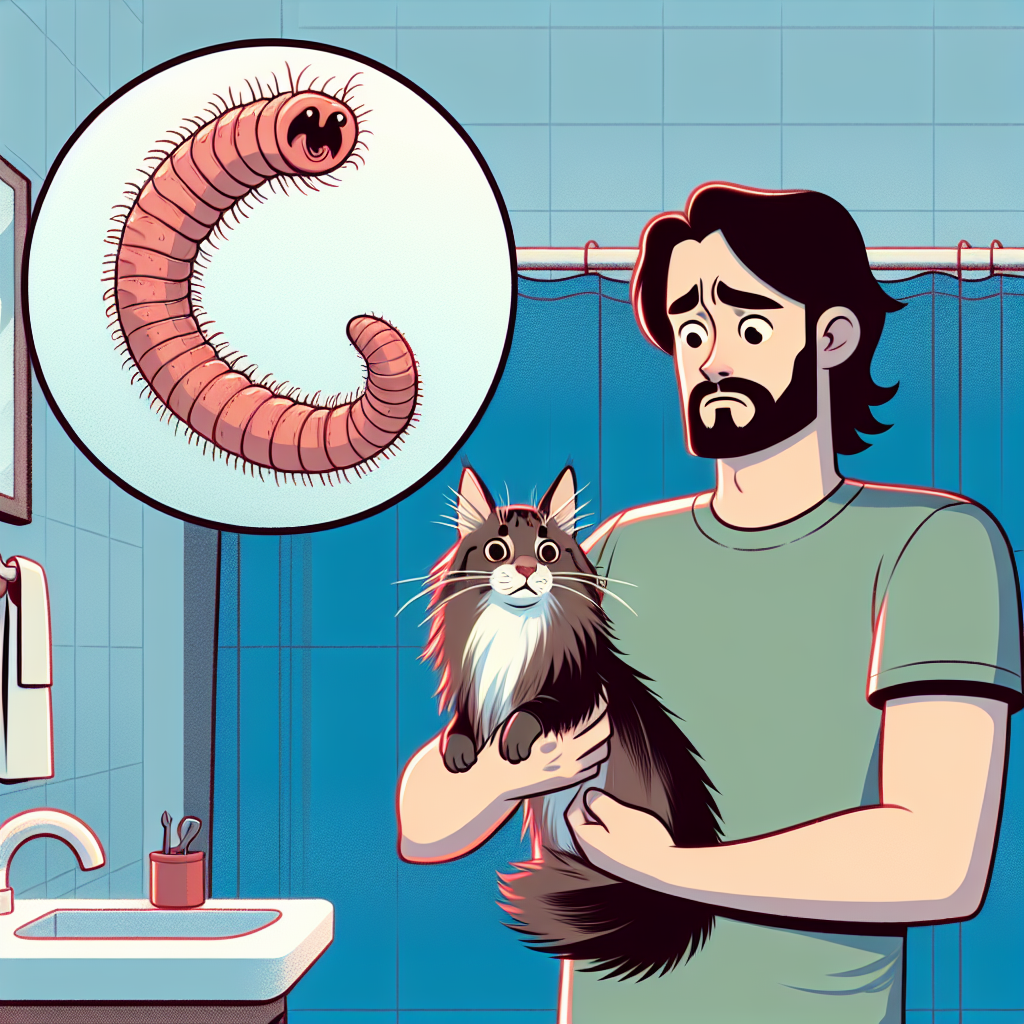
The screwworm fly was largely eradicated in the U.S. through successful eradication programs, but recent sightings and cases indicate a resurgence. These flies are particularly dangerous because they lay eggs in open wounds or orifices of animals, and the larvae, or maggots, consume the host’s flesh, leading to severe injuries or death if untreated.
Why is it a Concern Now?
- Increased Cases: The recent detection of screwworms in various parts of the U.S., including isolated reports in humans, has triggered alarm among health officials. (ABC News)
- Animal Vulnerability: Livestock and pets with wounds are at risk, as the screwworms can quickly infest and cause severe damage.(PBS)
Impact on Pets
Pets, particularly those with outdoor access, may come into contact with screwworm flies. Dogs and cats with open sores are especially susceptible. Pet owners should be vigilant about checking for signs of infestation, which include: severe irritation around wounds, unusual exudate, and signs of distress in pets.
Prevention Tips
- Regularly inspect pets, especially those with wounds or those living in affected areas.
- Keep fly-attracting areas clean and free from waste that might attract flies.
- Consult veterinarians for preventive treatments if living in high-risk zones.
Treatment and Control
Infected animals require immediate veterinary care to remove larvae and treat wounds. Early intervention is crucial to prevent severe health outcomes. ASM University researchers are working on programs to control and prevent further spread.
Conclusion
While the screwworm resurgence warrants vigilance, efforts are underway to control its spread. Pet owners should remain aware, particularly in regions where screwworms have recently been detected, and seek professional advice for prevention and treatment. For more information on protecting pets and livestock, check resources from agricultural and veterinary health organizations.
University of California Riverside