Your Dog Didn’t Just Steal Your Heart—They Might Be Improving Your Health, Too
Ever notice how your dog needs that walk right when you’re about to flop onto the couch? Annoying? Yes. Life-changing? Also yes.
According to a brand-new study published in Scientific Reports, people who became first-time dog owners didn’t just gain a furry roommate—they quietly upgraded their daily movement and their social lives. No boot camp. No personality transplant. Just… a dog.
And the best part? These changes showed up within a year.
Let’s unpack what the science says—and what it means for pet parents who want happier dogs and healthier lives.
The Big “Aha”: Dogs Change Your Habits (Without You Noticing)
Researchers in Japan looked at over 1,200 adults, comparing:
- Brand-new dog owners who had never owned a dog before
- People who didn’t currently own dogs (with and without past dog experience)
The question was simple but powerful: Does getting a dog actually change how people live day to day?
Short answer: Yes. In two sneaky, meaningful ways.
1. Dog Owners Walk More—Even If They’re Not “Exercise People”
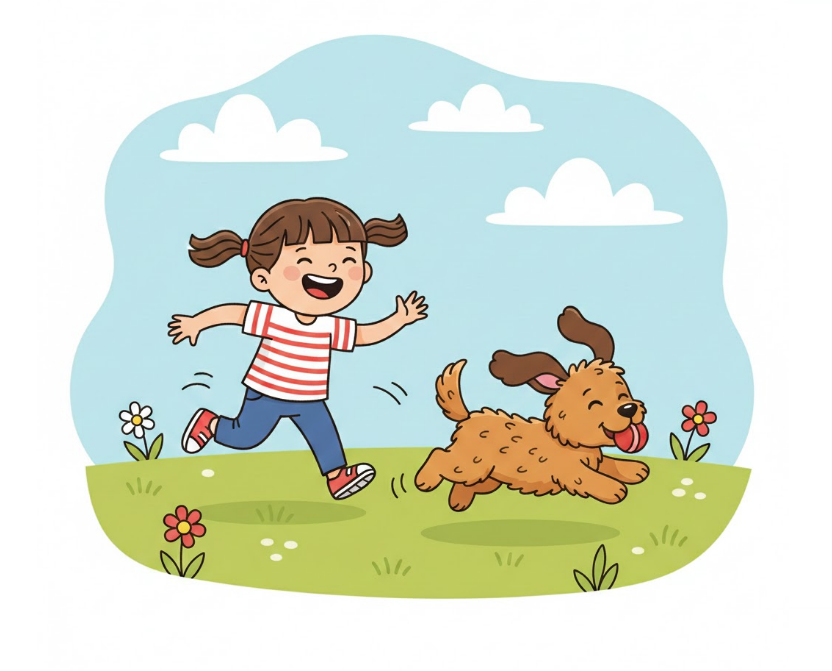
Let’s get one thing straight: this wasn’t about intense workouts or CrossFit energy. The biggest change? Walking.
New dog owners showed a significant increase in walking activity compared to people without dogs. Not jogging. Not lifting. Just… more steps, more often. Think about it:
- Morning potty walks
- After-dinner strolls
- “Fine, I guess we’ll go out again” walks
All those short walks add up—kind of like compound interest, but with leashes.
🧠 Why this matters for pet health
Dogs thrive on routine movement. When you walk more, your dog gets consistent exercise, better weight control, stronger joints, and fewer behavior issues caused by pent-up energy.
👉 Science-backed pet care tip: If you’re overwhelmed, aim for more frequent short walks, not longer ones. The study suggests consistency beats intensity.
2. Your Dog Might Be Boosting Your Social Life (Yes, Even Online)
Here’s the twist no one expects.
New dog owners didn’t just move more—they also reported more social contact, especially non-face-to-face interactions like texting, messaging, or social media.
Translation? Dogs = conversation starters. Think:
- Sending dog pics to friends
- Messaging neighbors you met on walks
- Group chats about puppy training disasters
Your dog is basically a furry social network.
🐕 Why this matters for you
Social connection is strongly linked to mental health, stress reduction, and overall well-being. Even digital check-ins count.
👉 Pro pet-parent move: Join a local dog group (online or in-person). Your dog doesn’t care—but your brain does.
But Wait—Isn’t This Just “Dog People Being Dog People”?
Great question. The researchers thought of that too.
That’s why they focused on first-time dog owners—people who weren’t already dog walkers or super social because of past pets.
The result? Even without prior dog habits, new owners still showed measurable lifestyle changes.
In other words: Getting a dog doesn’t just attract active people—it can help create them.
What This Means for Your Dog’s Health (and Happiness)
This isn’t just a feel-good human story. It’s a pet health story, too. More walking + more engagement =
- Better physical health for dogs
- Reduced anxiety and boredom
- Stronger human–animal bonds
And here’s the kicker: Most dogs in the study were small breeds. That means even small dogs—often underestimated—can spark real health benefits.
Feeding your dog well but skipping walks is like buying premium gas and never driving the car.
3 Easy, Science-Backed Ways to Lean Into These Benefits
1. Turn walks into rituals
Same time, same route, same joy. Dogs love predictability—and it keeps you accountable.
2. Use your dog as a social bridge
Smile. Say hi. Share photos. Your dog is already doing the hard part by being cute.
3. Track walks, not workouts
Forget calories burned. Focus on showing up. The science says that’s enough to matter.
The Bigger Trend: Preventive Care Starts With Leashes
This research fits into a growing body of science showing that pets aren’t just companions—they’re health catalysts. From heart health to mental well-being, dogs quietly nudge humans toward healthier routines. No apps required.
And unlike fitness trends, dogs don’t go out of style.
Final Takeaway: Your Dog Is Doing More for You Than You Think
You might think you adopted your dog for them. Science suggests they’re helping you, too—one walk, one message, one tail wag at a time.
So the next time your dog stares at you with that “It’s walk o’clock” look?
They’re not being demanding. They’re being evidence-based.
Share Your Pet’s Story
- Has your dog changed your daily routine?
- Did walking your pup help you meet neighbors—or reconnect with friends?
- What’s one small habit your pet accidentally improved?
Drop a comment, share this with a fellow dog lover, or send it to someone on the fence about getting a pup.