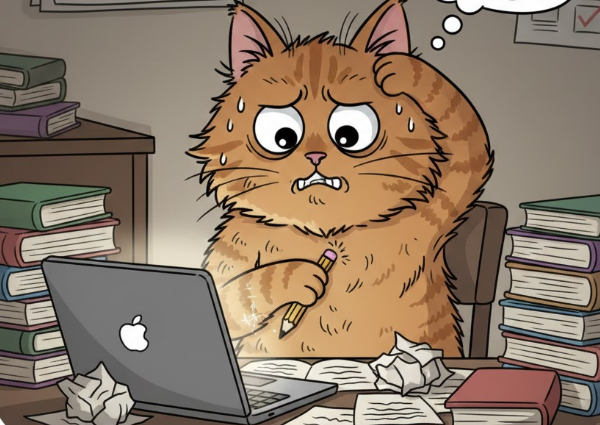
Is My Cat Stressed, or Just Being a Cat?
Cats are famously independent and sometimes unpredictable, which can make it challenging for pet owners to distinguish between natural feline quirks and signs of stress. With a little background on typical cat behavior and some clear indicators of distress, you can better understand what your cat might be experiencing.
Recognizing Normal Cat Behavior
Cats are known for their distinctive behaviors, many of which are part of their natural repertoire. For instance, a cat might:
- Sleep Most of the Day: Cats are crepuscular creatures, being more active during dawn and dusk. Extensive sleep does not necessarily indicate stress.
- Exhibit Independent Behavior: It’s normal for cats to be aloof or enjoy solitary time. Being independent is part of their nature.
- Groom Regularly: While excessive grooming can be a red flag, routine grooming and occasional licking are normal for keeping clean.
Signs That Might Indicate Stress
Even though many behaviors have a “normal” explanation, there are certain signs you should watch out for that may suggest your cat is stressed:
- Changes in Appetite: A stressed cat might either eat considerably less or, in some cases, overeat.
- Altered Grooming Habits: Over-grooming, resulting in bald patches, or a sudden lack of grooming can be a sign of stress or an underlying health issue.
- Vocalization Changes: Increased meowing or yowling beyond what is typical for your cat can indicate distress.
- Litter Box Issues: Sudden changes in litter box habits, like urinating outside the box or avoiding it, can reflect stress.
- Hiding: While many cats enjoy quiet alone time, a noticeable shift towards spending much more time hiding than usual may be a sign of discomfort or anxiety.
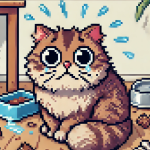
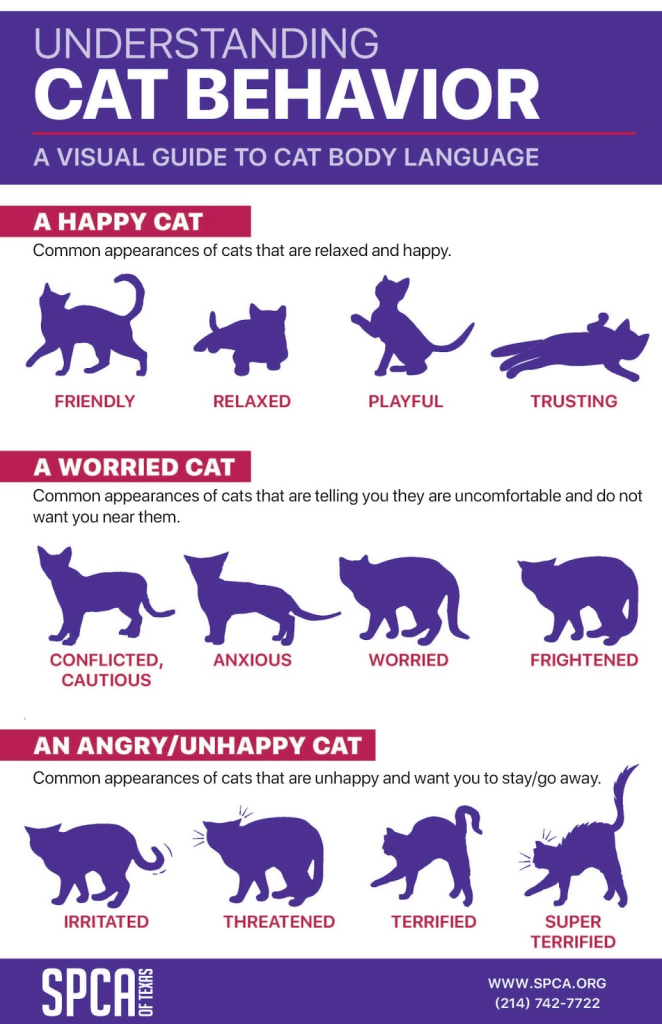
- Body Language: Ears flat against the head, widened eyes, or a tucked tail can indicate nervousness. When your cat’s posture seems unusually tense or defensive, consider it a potential sign of stress.
Why Understanding the Difference Matters
Understanding whether your cat’s behavior is simply “being a cat” or a sign of stress is crucial because stress can have tangible impacts on overall health. Chronic stress in cats can lead to:
- Behavioral Problems: Ongoing stress may lead to uncharacteristic aggression or withdrawal.
- Health Issues: Prolonged stress can weaken the immune system, increasing vulnerability to infections and other health concerns.
- Worsening of Medical Conditions: If your cat already has health issues, unmanaged stress can exacerbate these problems.
Steps to Support a Stressed Cat
If you suspect that stress might be affecting your cat:
- Create a Safe Environment: Ensure your cat has a safe space where they can retreat and feel secure.
- Maintain a Consistent Routine: Cats thrive on routine, so feeding times, play, and quiet periods should be as consistent as possible.
- Enrichment: Provide toys, scratching posts, and interactive play to help reduce anxiety.
- Consult a Veterinarian: If behavior changes are significant or persist over time, it’s wise to consult your veterinarian. They can help rule out medical conditions and provide guidance on managing stress.
Conclusion
Determining whether your cat is genuinely stressed or simply exhibiting normal feline behavior can be a nuanced process. While many behaviors are merely natural for cats, significant or sustained changes in your cat’s habits could indicate stress. By closely monitoring your feline friend and making adjustments to their environment and routine, you can help promote a healthier, more relaxed life. Always consider a vet visit for persistent changes, as professional advice can offer tailored strategies for managing your cat’s well-being.