The Coevolution of Humans and Dogs: Insights from Ancient Skulls
The evolutionary journey of dogs, marked by their remarkable diversification, offers profound insights into the coevolution of humans and their canine companions. Recent studies have shed light on this intertwined history, revealing how early dog breeds developed distinct roles and characteristics driven by their close association with human societies.
The Evolutionary Saga of Ancient Dogs
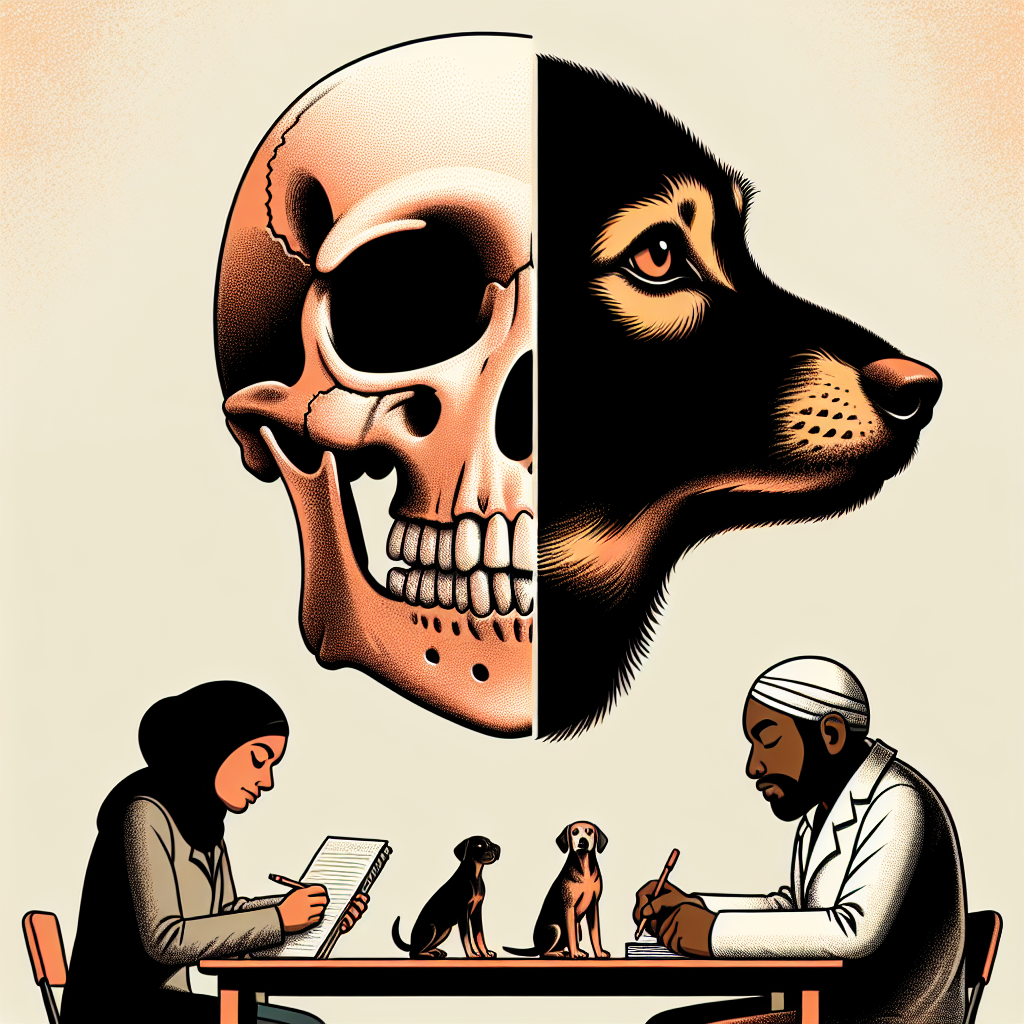
Through extensive analysis of ancient dog skulls, scientists have discovered that domesticated dogs began diversifying long before modern breeding practices were established. According to recent findings, dogs began to exhibit diverse sizes and shapes over 11,000 years ago, challenging the assumption that this diversity is primarily the result of recent selective breeding.
A massive global study analyzed ancient skulls from different regions, suggesting a long coevolutionary process between humans and early canid companions. This process facilitated adaptation to various roles in human societies, including herding, hunting, and companionship (ScienceDaily.)
Coevolution and Mutualism
Dogs’ evolution can be traced back to their mutualistic relationships with Paleolithic humans. These relationships were characterized by shared benefits, allowing both species to thrive. Evidence suggests that early humans and dogs developed a symbiotic partnership in which dogs provided security and hunting assistance while deriving food and shelter from humans (PMC.)
Health Implications of Diversification
The diversification of dogs is not only key to understanding their role in ecosystems but also has significant health implications for both species. By examining the genetic lineage and skull formation, researchers can draw parallels between certain human and canine diseases, particularly those related to bone development and health.
Moreover, these studies highlight how the shared environment of dogs and humans may have influenced genetic traits that affect health and disease susceptibility. Understanding these dynamics offers potential insights into hereditary conditions and strategies for improving health outcomes for both humans and their pets (ZME Science.)
The Role of Diversity in Dog Breeds Today
Modern dog breeds display a wide range of physical and behavioral traits. While some of this diversity is a result of selective breeding, ancient diversification shows a natural variance long before human influence became meticulous. This intrinsic variability formed the basis for selective breeding and the subsequent explosion of dog breeds tailored for specific roles and environments.
Current research underscores the importance of preserving genetic diversity within dog populations. Maintaining this diversity is crucial for species resilience, allowing adaptation to changing environmental conditions and preserving breeds that could offer solutions to contemporary ecological challenges (Phys.org.)
Conclusion: Human-Canine Bond Beyond Companionship
The evolutionary tale of dogs is deeply intertwined with that of humans, revealing a rich tapestry of shared survival strategies and mutual dependencies. By uncovering the roots of canine diversity, these studies not only enhance our understanding of dogs’ historical roles but also have profound implications for health, conservation, and the continued exploration of this unique interspecies bond.
As we continue to uncover more about our closest animal allies, these findings remind us of the interconnectedness of species and the shared history that shapes our lives today.