
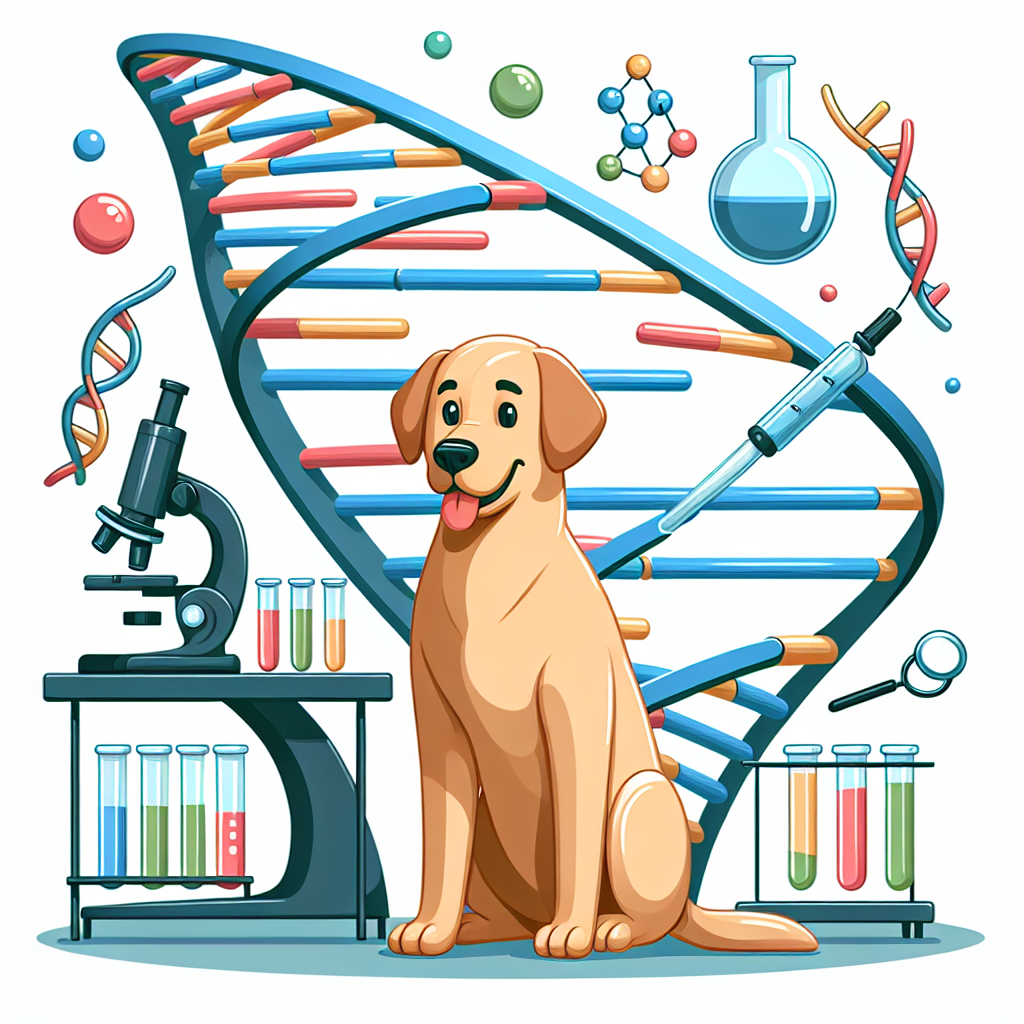
Decoding the Canine Genome:
As we enter a new era of pet care, scientific advancements continue to elucidate the mysteries of our companion animals’ health. Recent research into the intricate details of the canine genome has revealed insights that could revolutionize the way we approach pet health and disease prevention. In this article, we examine the latest findings in canine genetics and their implications for enhancing the well-being of companion animals.
Understanding the Canine Genome
The canine genome has been a subject of fascination and extensive study among scientists. Dogs share around 85% of their genetic material with humans, making them excellent models for human disease research. This similarity allows researchers to study genetic diseases that affect both dogs and humans, potentially leading to breakthroughs in treatment and prevention.
Recent studies have highlighted the genetic diversity in dogs, attributing it to selective breeding practices over centuries. This diversity, however, also brings about a range of hereditary diseases that vary significantly across breeds. By decoding the canine genome, researchers aim to identify genetic markers associated with specific diseases, paving the way for targeted treatments and preventive strategies.
The Role of Genetic Mapping
Genetic mapping in dogs provides valuable insights into hereditary conditions such as hip dysplasia, epilepsy, and certain cancers. For example, a recent study published in Science Daily examined the lineage of ancient dog skulls, revealing evolutionary adaptations that correlate with genetic predispositions to certain diseases.
Such mapping initiatives also help preserve genetic diversity, particularly in breeds that have been excessively inbred. By understanding the genetic makeup of various breeds, breeders can make informed decisions, thus reducing the incidence of genetic disorders.
Innovations in Canine Genetic Research
The advent of advanced sequencing technologies has accelerated canine genetic research. The ability to sequence entire genomes swiftly and accurately means that researchers can now conduct large-scale studies that were previously unfeasible. This innovation is already impacting veterinary practices and informing breeding decisions.
“By recognizing the genetic markers of diseases common in dogs, we can create targeted therapies and improve quality of life.”
Additionally, the identification of genes responsible for traits such as coat color, behavior, and physical attributes further enriches our understanding of canine biology.
Applications in Veterinary Medicine
The practical applications of genetic research in veterinary medicine are vast. From routine genetic screenings to personalized medicine, the possibilities are expanding rapidly. Vets can now offer DNA tests to predict certain health risks, allowing pet owners to take preventive measures early on.
This approach is exemplified in the development of new drugs tailored to modify gene expression and address specific health issues. Moreover, understanding the genetic basis of behavior can help in managing temperament and training, fostering better human-animal relationships.
The Future of Canine Genetics
Looking ahead, collaborative efforts among geneticists, veterinarians, and breeders will be crucial to harnessing these advancements for the health and well-being of companion animals. Initiatives such as the European Partnership on Animal Health and Welfare are designed to promote research and innovation, ensuring that animal welfare remains a top priority.
In conclusion, the unraveling of the canine genome marks a significant milestone in veterinary science. As we deepen our understanding of genetics, we stand on the brink of transforming veterinary care, ensuring that our companion animals lead healthier, longer lives.
For more detailed insights into the ongoing research and its implications, visit American Veterinary Medical Association and CRWAD, where cutting-edge discoveries continue to shape the future of animal health.