
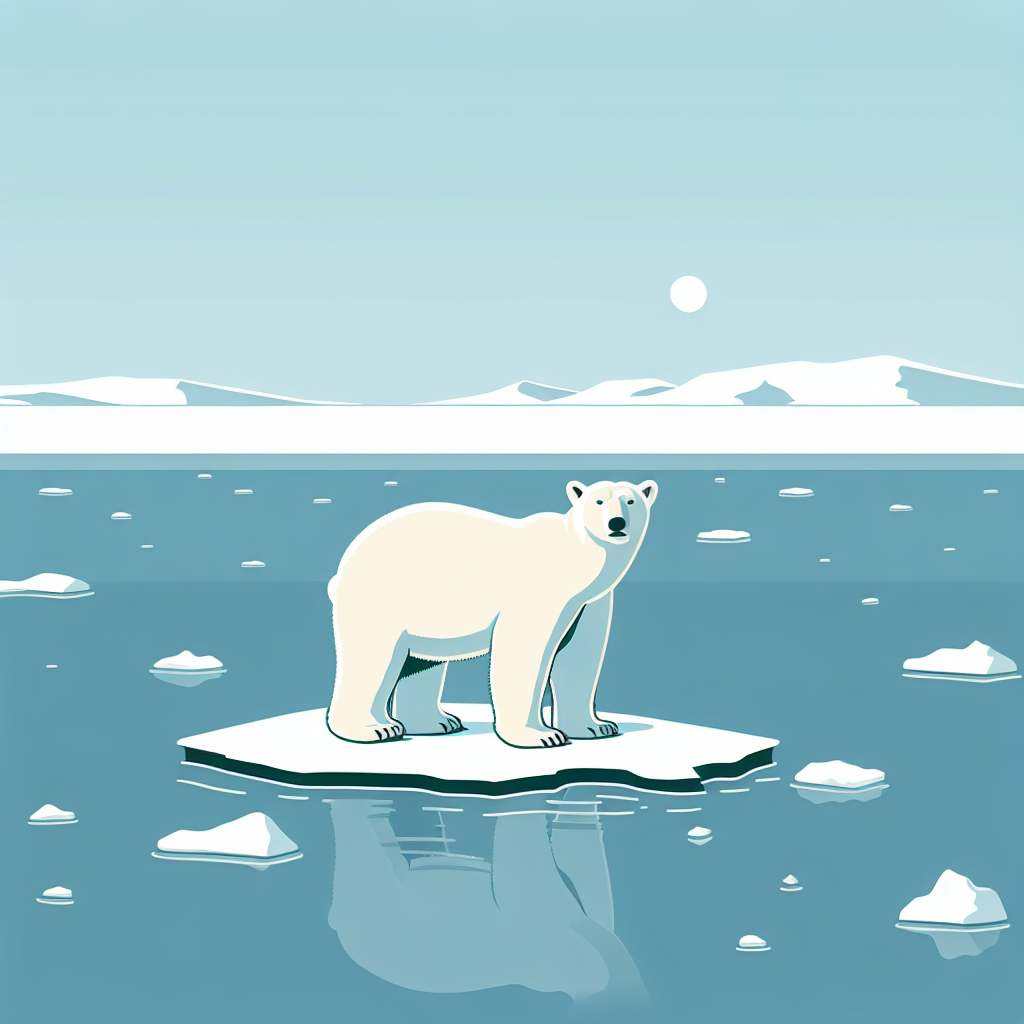
How Polar Bears in Svalbard Are Adapting to Ice Loss
As climate change accelerates, the Arctic region undergoes profound transformations, affecting its ecosystems and the species that depend on them.
Among these species, polar bears are among the most affected, particularly in regions such as Svalbard, where rapid ice loss poses unprecedented challenges. However, recent studies provide remarkable insights into how these majestic creatures are adapting to their changing environment.
The Challenge of Ice Loss
Polar bears primarily rely on sea ice to hunt seals, their primary food source. The decline in Arctic sea ice due to rising temperatures forces these predators to spend more time on land or swim longer distances, increasing energy expenditure and stress. A BBC report highlights that despite these adversities, some Svalbard polar bear populations are surviving, and even thriving, by adjusting their diets.
Shifting Diets: A Sign of Adaptation
Research has shown that polar bears in Svalbard are increasingly consuming more land-based foods, such as bird eggs and carrion. This dietary adjustment, though not a complete substitute for seals, provides sufficient sustenance to maintain their health during periods of ice scarcity. This is corroborated by a New Scientist article reporting an unexpected increase in body condition among certain polar bear populations in Svalbard.
Rising Resilience in New Habitats
As Arctic ice diminishes, polar bears are seen exploring new habitats. Studies indicate that these bears are venturing further inland and residing closer to human settlements. A growing body of evidence suggests that polar bears may be developing the capacity to exploit additional terrestrial resources, hinting at their remarkable resilience and adaptability in the face of climate change.
The Role of Genetic Adaptability
A critical aspect of polar bears’ adaptation strategy is their genetic capacity to withstand harsh conditions. As The New York Times highlights, while researchers are cautious about the long-term implications of these changes, they continue to observe genetic changes that enable bears to adapt to open water and to scarce prey availability.
Conservation and Future Prospects
Despite these adaptive feats, polar bears remain vulnerable. Conservation efforts are crucial to ensure their survival. International cooperation is paramount to mitigate the impacts of climate change and to implement strategic initiatives to continually monitor polar bear health and habitat changes. Moreover, as Science News reports, understanding the nuanced biological responses of polar bears to environmental change can inform effective conservation strategies.
The story of Svalbard’s polar bears is a testament to nature’s resilience and the urgency of protecting these environments. As the global climate continues to change, species such as polar bears will inevitably test their adaptability to the limits, underscoring the need for immediate climate action and sustained environmental stewardship.