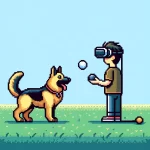

The Future of Working Dogs
Your dog’s curious habits might hold the secret to happier, healthier living. It’s not just their wagging tails or playful nature. Science is uncovering fascinating insights into what keeps these loyal companions both joyful and efficient in their roles.
Picture this: You’re watching a hardworking service dog expertly guide their handler through bustling city streets, or maybe it’s your own energetic buddy zooming across the backyard, chasing an imaginary target. These scenes are commonplace in a pet owner’s life, yet they mask a deeper scientific story about what’s happening within our pets.
But here’s where it gets interesting…
Bringing in the Research Story (How We Know This)
A recent review published in Frontiers in Veterinary Science explored the welfare science of working dogs. Researchers looked at a decade’s worth of data on working dogs’ nutrition, environment, behavior, and mental well-being through surveys and observational studies.
Read more from the study.
What They Found (The Big Takeaways)
- Working dogs benefit from a diet that supports rigorous mental and physical activity levels.
- Behaviors change with both positive human interactions and environments.
- Routine and exercise were crucial in maintaining optimal dog welfare and performance.
It’s important to note that these findings can differ based on each dog’s unique circumstances. Now comes the part pet owners can actually use…
The Pet Owner Playbook (Practical Tips)
- Focus on Balanced Nutrition: Provide a diet rich in proteins and fats to support strong muscles and stamina.
- Encourage Regular Exercise: Incorporate diverse activities that foster both physical and mental well-being.
- Create Enriching Environments: Rotate toys and introduce new challenges regularly to keep boredom at bay.
- Watch for Behavioral Signals: Pay attention to changes in their behavior which might indicate health or stress issues.
But there’s one more twist worth knowing…
What This Means for the Future of Pet Care
As science continues to unveil the intricate links between behavior and health, it heralds a future where personalized care and prevention take center stage in pet ownership. Technology may play a key role, offering wearables and apps to track health and happiness patterns. So what should we do with this new knowledge?
Let’s Explore Together (Closing + Conversation Spark)
What specific patterns have you noticed in your pet’s behavior? What small changes will you try implementing from today? If you could ask a vet researcher one question, what would it be?
This article is for education and isn’t veterinary medical advice—if your pet has sudden or severe symptoms, contact a veterinarian.