
How Pets May Unwittingly Be Aiding the Spread of Invasive Flatworms
The invasive flatworm Caenoplana variegata, known for its ability to reproduce in isolation and spread rapidly, is causing concern among scientists due to its potential environmental impact. Recent research suggests that common household pets, such as cats and dogs, may be playing an unintended role in this spread. While the idea might seem surprising, understanding the details of this research can provide insights into how human-animal interactions inadvertently affect ecosystems.
Understanding the Invasive Flatworm
Flatworms, especially Caenoplana variegata, have a robust capacity to thrive in various environments. This species is particularly adept at survival and can significantly alter local ecosystems by preying on native invertebrates. Their resilience is often attributed to their ability to regenerate and reproduce parthenogenetically, meaning a single worm can reproduce without a mate, creating numerous offspring.
The Role of Pets in Flatworm Dissemination
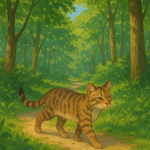
In a recent study, pets were observed carrying flatworms on their fur as they roamed through various terrains. This discovery was made by researchers who tracked the spread of flatworms over a decade. The worms, equipped with sticky mucus, clung to animal fur, leveraging pets’ mobility to spread farther.[ Hence, pets inadvertently become vectors, spreading these flatworms to new environments and potentially disrupting local species balances.
Implications of the Research
This finding highlights an important ecological aspect regarding human domestication and interactions. It emphasizes the need for awareness among pet owners and policymakers. By recognizing the role pets can play as unintentional carriers, measures can be taken to mitigate the spread, such as monitoring pet movements and adopting pet-friendly biocontrol strategies.
Future Steps for Research
While the immediate impacts of invasive flatworms are documented in environmental shifts, the long-term ecological effects remain under study. Further research is essential to explore potential solutions, including ecological management and genetic strategies to control flatworm populations. These studies serve as a reminder of how interconnected ecosystems are and the far-reaching impact of everyday human activities.
Conclusion
As researchers continue to unravel the complex dynamics of invasive species and animal behavior, it’s clear that innovation and cooperation between scientists and the public are crucial. By understanding how pets contribute to the spread of invasive species, we can develop proactive strategies to protect our ecosystems.
For pet-loving communities worldwide, recognizing the environmental footprint of our beloved animals is a step toward attaining ecological harmony.
Sources: Science Daily – Overview of Invasive Flatworm Research