How Pets Are Unintentionally Spreading an Invasive Flatworm
Recent scientific findings spotlight pets like dogs and cats for their role in spreading a particular invasive species: flatworms. This finding might be surprising, considering the usually blissful companionship pets offer. However, it’s becoming clear that these beloved animals could be unwittingly aiding invasive species in spreading across geographic locations, leading to ecological disturbances.
The Unexpected Role of Pets in Ecology
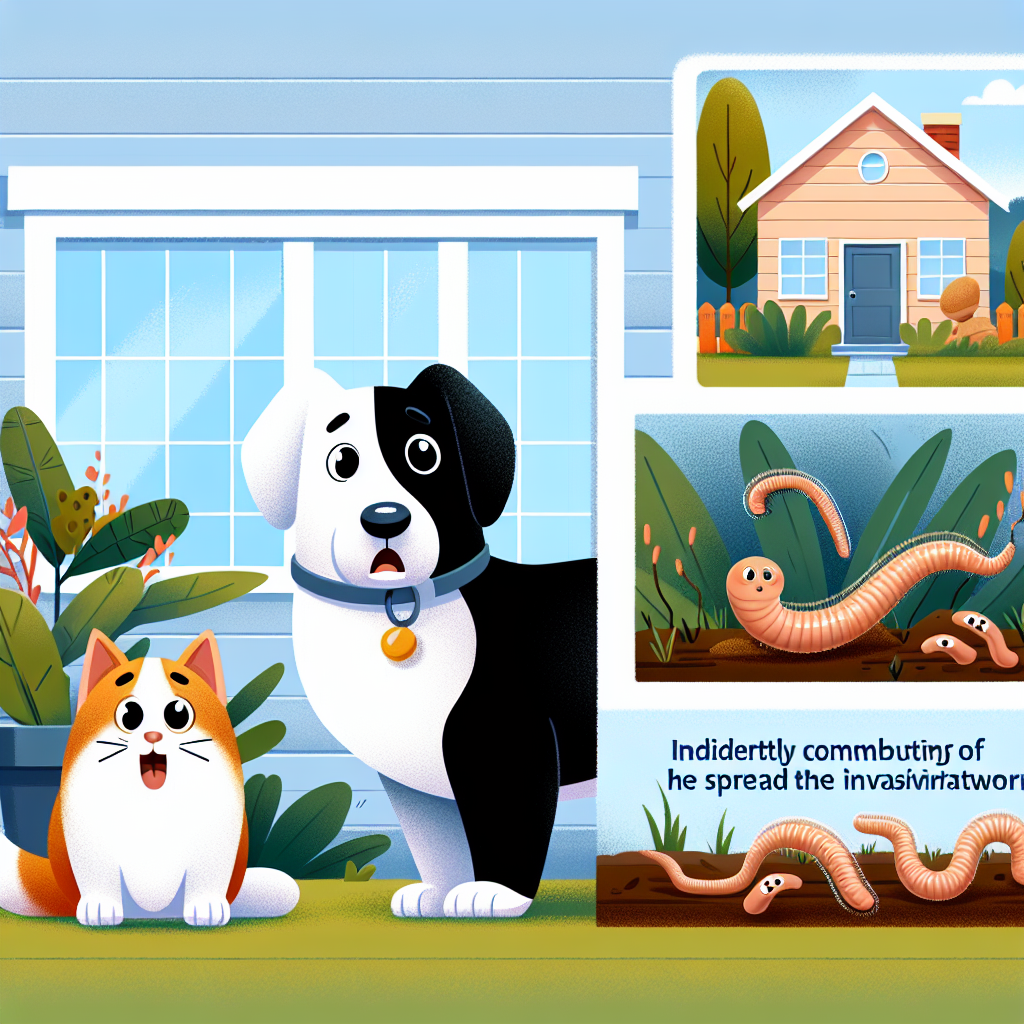
A study highlighted by Science Daily shows that pets might inadvertently contribute to the spread of the invasive flatworm Caenoplana variegata. The research, spanning over a decade, found that these flatworms cling to pet fur with their sticky mucus, making pets ideal vectors for their unwelcome journey from one location to another.
Understanding Flatworms: A Hidden Threat
Flatworms are known for their robust ability to survive and reproduce, posing challenges in regions where they aren’t native. Typically, these worms spread through the transport of plants, as reported by The News Shield. However, the new discovery of their hitchhiking ability on pets presents a fresh challenge for environmental scientists and regulators.
Potential Ecological Impact
- The introduction of these worms into non-native environments can disrupt local ecosystems.
- They compete with native species for resources, often leading to a decline in biodiversity.
- Invasive flatworms are known to affect soil quality, impacting agriculture and plant life.
Responsibility and Mitigation
Pet owners can play a crucial role in mitigating the spread of this flatworm. Here are some proactive measures:
- Regular Grooming: Regularly grooming pets can help remove any unnoticed worms or their eggs.
- Environmental Vigilance: Washing and inspecting pets after outdoor activities, particularly in gardens or parks, can prevent worms from moving with them to new locations.
- Community Awareness: Sharing information with fellow pet owners and community members can amplify efforts to control the spread.
Ecologists continue to study and suggest methods to control such species invasions, as detailed in the research hosted by EurekAlert!. Their collaborative approach may involve developing biosecurity measures that extend beyond mere pet grooming to encompass public education and ecological restoration strategies.
The Path Forward
While it’s clear that our furry friends unintentionally help spread the invasive flatworm, the solution isn’t to separate them from nature. Instead, by staying informed and engaged, pet owners can help maintain ecological balance and protect the rich biodiversity of our local environments. Partnerships between scientists, government bodies, and the community are essential to implementing effective controls and ensuring both our pets and our natural habitats remain harmonious.