
How a Somerset Cave Discovery is Redefining Dogs Health History
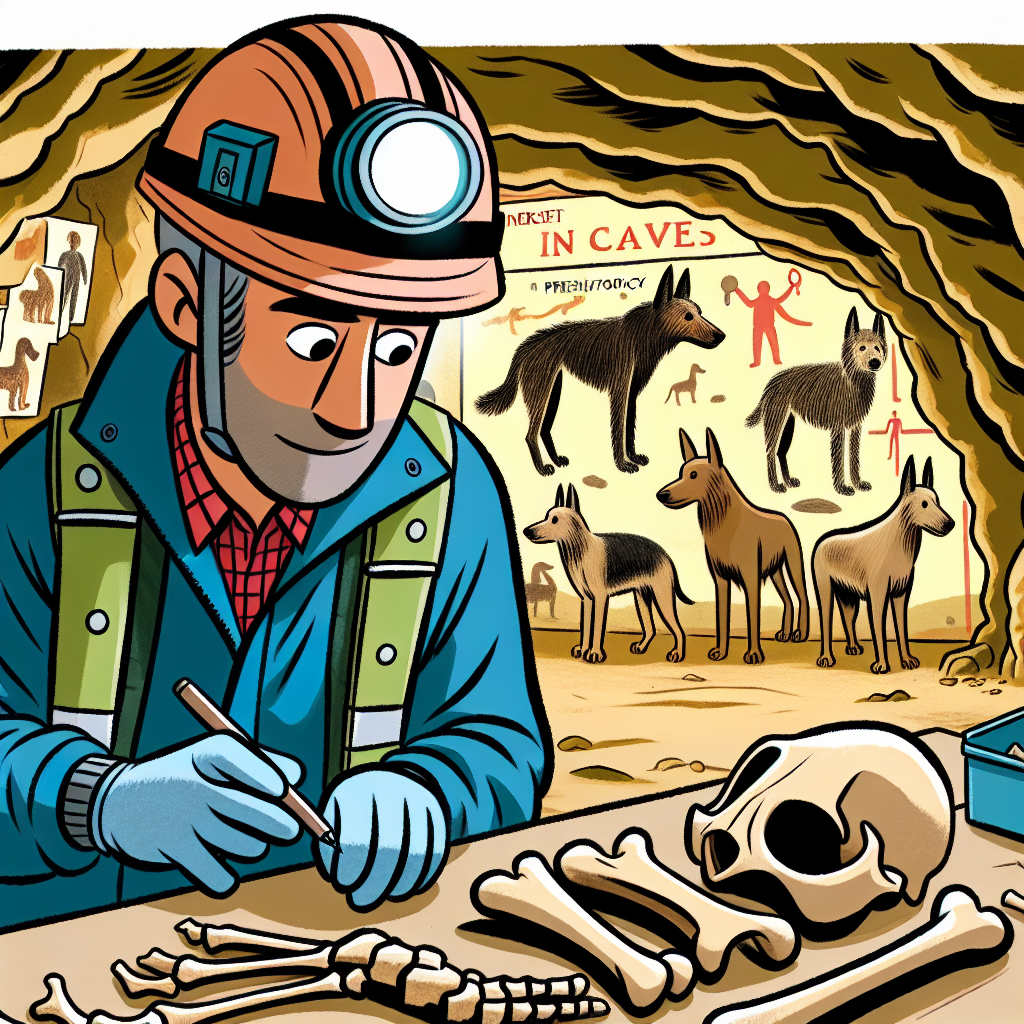
The discovery of a jawbone in a cave in Somerset, UK, has rewritten the history of dogs and their relationship with humans. This ancient fragment, identified as belonging to a dog, is now considered the world’s oldest known pet dog, suggesting that humans were bonding with dogs long before embarking on the development of agriculture.
Early Companions: Dogs and Humans in Prehistoric Times
A recent study shed light on a jawbone unearthed from Gough’s Cave in Somerset, dating back around 15,000 years. This find pushes back the domestication timeline by approximately 5,000 years, indicating that humans and dogs formed close bonds even in the last Ice Age.
According to BBC News, the jaw belonged to a domesticated dog living among hunter-gatherers. It highlights that early humans not only kept dogs but also suggests a deeper role they played in human societies as companions and possibly as aids in hunting.
The Journey from Wolves to Dogs
Evolutionary biologists argue that this shift from wolves to dogs involved humans gradually taming less aggressive wolves, leading to dogs that could help with hunting, provide companionship, and even offer protection. This new evidence supports the theory that dogs were deeply valued long before the agricultural era began.
According to The New York Times, DNA sequencing of the jawbone confirms it as evidence of the earliest genetic trace of domestication in dogs.
Impact on Modern Pet Health and Behavior
Understanding the ancient bond between humans and dogs also provides insights into pet health and behavior today. Health, diet, and even behavioral issues in modern dogs can often be traced back to these ancestral ties.
Unveiling Health Insights Through History
The study of ancient dogs offers insights into how certain traits have been preserved or lost through generations of selective breeding. Modern canine health challenges, such as hip dysplasia or dietary intolerances, might find answers in the evolutionary pressures faced by ancient dogs.
This discovery ties into broader research on pets, shedding light on how a dog’s living conditions and diet in ancient times could inform better health and care strategies today. For instance, what domesticated dogs ate could affect their nutritional guidelines today on diet and nutrition in ancient and modern contexts, as reported by ScienceDaily,
Training and Behavioral Patterns
Furthermore, exploring the behavioral adaptations from wild to domesticated companions gives modern pet owners insights into training and managing their pets, leveraging natural instincts rooted in human-dog history.
‘This finding not only highlights our longstanding history with dogs but also emphasizes the role they played in human development, acting as working partners and companions, integral in shaping civilization,’ says Dr. William Marsh from the Natural History Museum.
Concluding Thoughts
The discovery of the jawbone in Somerset is not only a breakthrough in understanding the timeline of dog domestication but also lays the groundwork for improving the health and care strategies for pets today. It showcases the ancient roots of human-canine bonds that remain highly relevant, shaping how we perceive and manage our faithful companions.
The ongoing research and revelations from such archaeological finds promise continued evolution in how we enhance the lives and well-being of pets, providing a historical context that is deeply intertwined with our own.