
Environmental Impact of Flea and Tick Treatments on Pets and Ecosystems
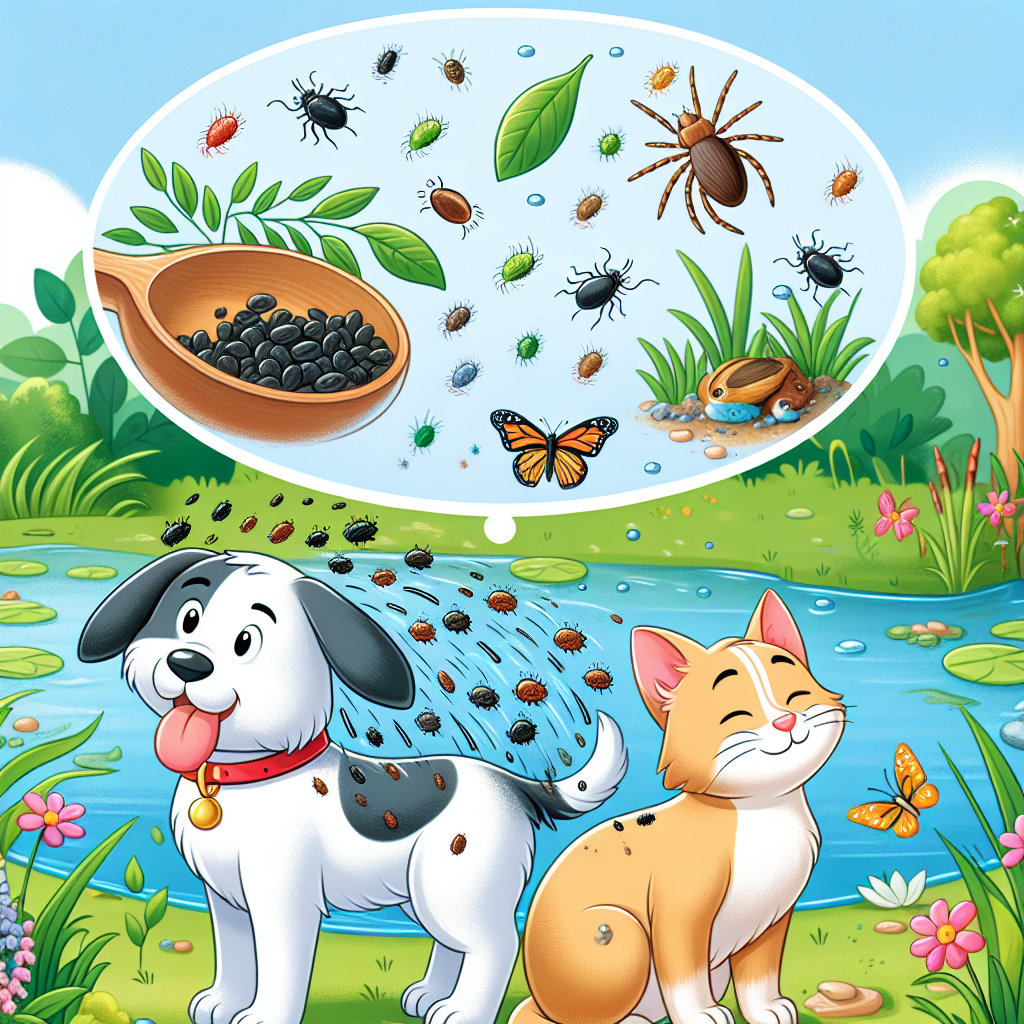
The relationship between humans and their pets has brought joy and companionship, yet in recent times it has also highlighted consequential impacts on environmental health. Flea and tick treatments, widely used to manage pet health, are inadvertently causing ecological distress, a topic that has gained significant attention in recent studies.
The Unseen Environmental Cost of Flea and Tick Treatments
Flea and tick treatments have long been part of standard pet care routines. However, emerging research suggests that these measures carry far-reaching environmental repercussions. Recent scientific analyses highlight that active ingredients in these treatments, often belonging to the isoxazoline class, infiltrate ecosystems, posing a threat to beneficial insect populations.
A pivotal study published earlier in 2023 underscores the critical environmental cost of such veterinary medicines, emphasizing their transfer from treated pets to surrounding environments, thereby affecting non-target species such as dung-feeding insects that are integral to nutrient cycling.
Impact on Aquatic Systems
Reports suggest the prevalent use of flea and tick treatments poses serious risks to aquatic life. In a study conducted by Imperial College London, it was documented that these chemicals, when washed into water bodies,.could exact a toxic toll upon aquatic organisms. Such exposure disrupts aquatic food webs and lowers the resilience of aquatic ecosystems against other environmental stresses.
Biomagnification in Wildlife
The studies further show that these treatments can escape into the environment not only through pet waste but also through contact discharges. For instance, substantial levels of ectoparasiticides have been found in the fur, urine, and surrounding living areas of pets treated with these products. The presence of such compounds in the ecosystem means that even untargeted wildlife, which relies on the components of these systems for sustenance, is inadvertently affected.
Coping with the Environmental Challenges
Efforts are ongoing in the scientific community to mitigate these impacts while maintaining effective flea and tick control. Biological alternatives are being explored to replace the chemical-heavy solutions predominant today.
Among these are substances like B. bassiana, a fungi-based biopesticide that shows promise in controlling flea and tick populations without posing as much of an environmental threat. A notable regulatory approach includes increasing the scrutiny on pesticide products for veterinary use by agencies such as the Environmental Protection Agency (EPA).
Steps for Pet Owners
Pet owners can substantially influence these environmental outcomes. Utilization of non-chemical flea control methods, such as regular grooming, vacuuming, and diatomaceous earth, can reduce reliance on chemical treatments.
‘The real magnitude of environmental impact from these treatments is yet to be fully quantified, but a concerted effort from policymakers, scientists, and pet owners can steer this ship toward a more sustainable path.’
Final Thoughts
The narrative around flea and tick treatments reveals a metabolic flow of impact that transcends pet and human domains, extending to the greater ecological environment. By holistically considering this impact and taking strategic action, we can safeguard ecosystem health while ensuring effective pet care. Awareness of product choice, careful disposal, and active participation in policy discourse could make a significant difference, offering a sustainable future for both pets and planet.