
The Growing Concern of Flea-Borne Typhus
Recent reports of flea-borne typhus reaching an all-time high in regions such as Los Angeles County have sparked renewed interest in pet health and its intersection with human disease outbreaks. Originating from fleas often found on pets such as dogs and cats, this epidemic highlights the need for enhanced awareness and preventive measures in pet healthcare.
Understanding Flea-Borne Typhus
Flea-borne typhus, caused by the bacterium Rickettsia typhi, is transmitted through fleas that typically infest animals, including household pets. While the disease is treatable in humans, its symptoms can be severe, ranging from fever and chills to more advanced complications if left unchecked. This disease is not only a public health concern but serves as a reminder of the interconnectedness between human and animal health.
How Pets Are Affected
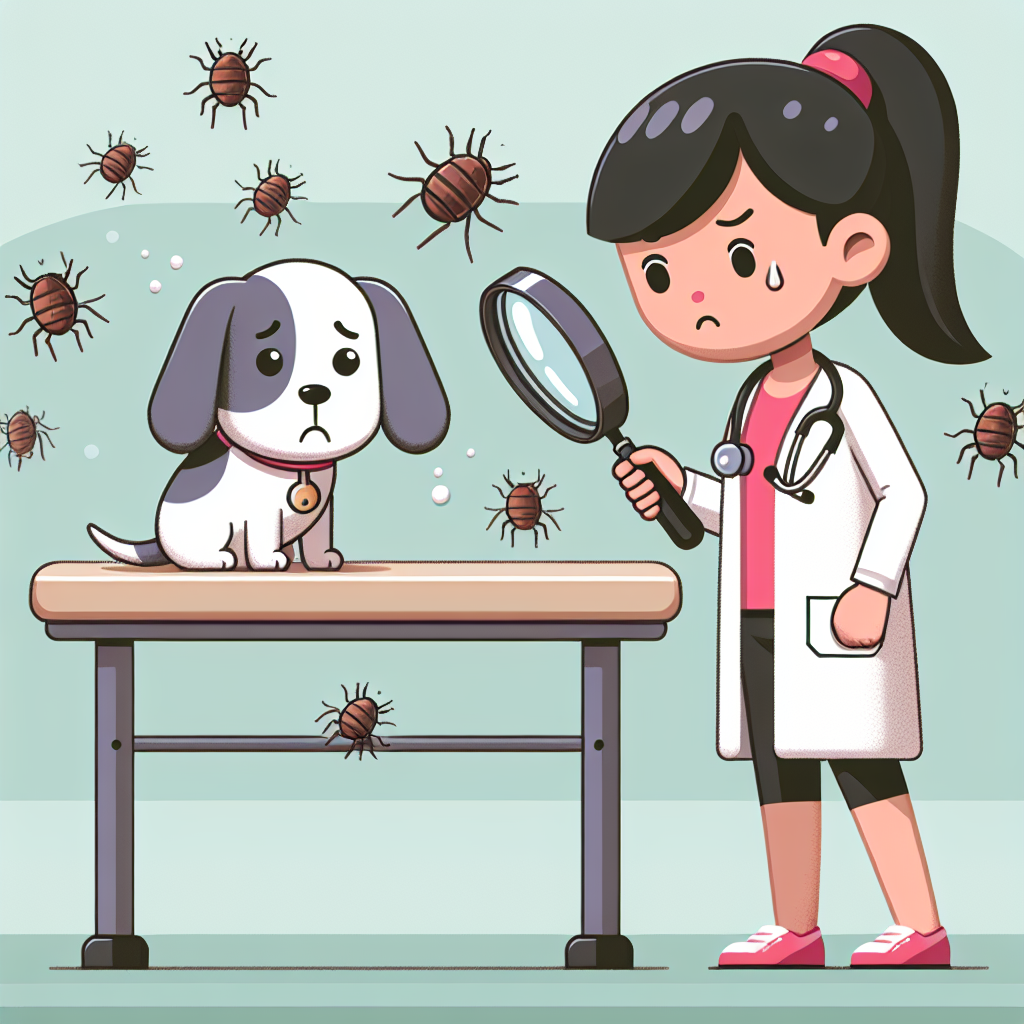
Our furry companions, especially outdoor and stray animals, are vulnerable hosts for fleas. Once infested, they can suffer from itching and allergic reactions. More severely, flea infestations can lead to secondary infections and transmit pathogens such as typhus to humans.
Preventive Measures
- Regular Veterinary Check-Ups: Consistent check-ups can catch infestations early and help implement effective flea management strategies.
- Flea Control Products: Utilize vet-recommended flea control products that are safe for your pet’s specific needs.
- Environmental Management: Regularly clean your pet’s living areas and wash bedding to prevent flea proliferation.
- Public Health Initiatives: Local governments, as seen in Los Angeles, are taking proactive steps by offering free vaccination and flea treatment clinics to curb the spread.
The Human-Pet Health Connection
This surge in flea-borne typhus is a stark reminder of the vital connection between human and veterinary medicine. Reports such as those from the Los Angeles County Department of Public Health emphasize the role pets play in this dynamic. To mitigate risks, public health initiatives are collaborating with veterinary services to educate pet owners on maintaining their pets’ health, which directly impacts human health.
Recent efforts by institutions such as the ASPCA and various county health departments demonstrate a coordinated response to protect both people and pets. Initiatives include distributing educational resources, offering free pet vaccinations, and emphasizing the importance of regular veterinary visits.
“The health of our pets and our own are intricately linked, and proactive measures can help prevent diseases like typhus from affecting our communities.” – ASPCA
Conclusion
As we continue to address these public health challenges, fostering a deeper understanding of the relationship between pet health and zoonotic diseases is imperative. Community engagement through resources, educational campaigns, and public health strategies remains key in protecting the well-being of both humans and animals. Embracing these efforts ensures a healthier, safer environment for all.