
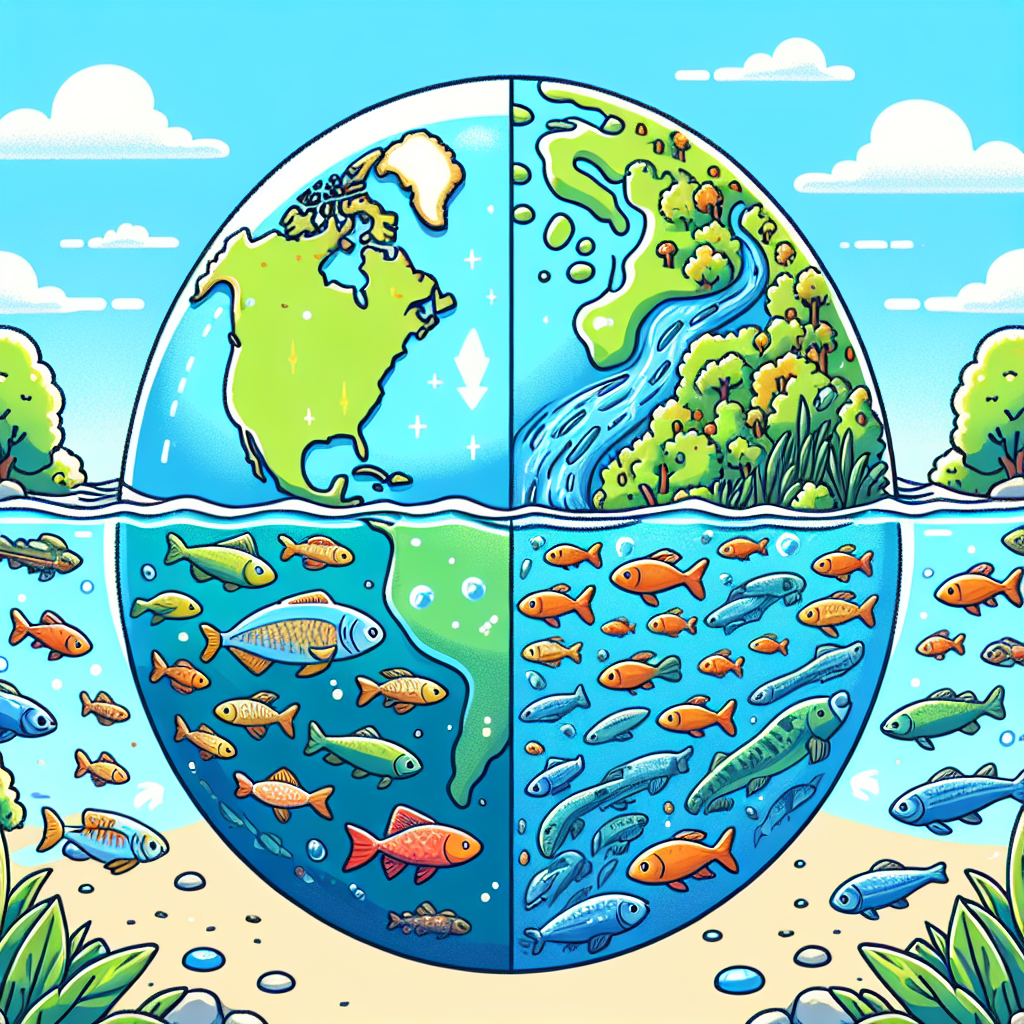
The Global Decline of Freshwater Fish
The world’s freshwater fish are in crisis, a silent catastrophe that is echoing through global ecosystems. With reports suggesting a dramatic 81% decrease in migratory freshwater fish populations since 1970 Science Daily, the situation is dire. Let’s dive into the reasons behind this alarming trend and explore potential solutions for preserving these crucial aquatic ecosystems.
Understanding the Freshwater Fish Decline
Freshwater ecosystems, though covering less than 1% of the Earth’s surface, are home to about one-third of all vertebrates worldwide Conservation Letters. Unfortunately, these ecosystems are also among the most threatened, suffering from climate change, overfishing, pollution, and habitat loss due to human actions like damming and deforestation.
The Role of Hydroelectric Dams
Hydroelectric dams, while crucial for renewable energy, have been identified as significant disruptors of aquatic connectivity. In regions like the Amazon, they have altered water flow and impeded fish migration paths Archimer. This fragmentation has dire consequences for species that rely on migration for spawning, leading to dramatic population declines.
The Environmental DNA project highlighted the far-reaching impacts of river fragmentation on biodiversity, noting that these structures often disrupt the life cycles of migratory fish vital to ecological balance and indigenous and local fishing communities.
Consequences of Fish Population Decline
The repercussions of such a decline extend beyond biodiversity loss. Freshwater fish are integral to the diets of billions, offering a primary protein source in many developing countries. Their loss threatens food security and the economic stability of communities dependent on fisheries.
Beyond food and economy, these fish play essential roles in nutrient recycling within their ecosystems, meaning their decline could disrupt broader aquatic ecosystems and water quality.
Human Health at Risk
The presence of pharmaceuticals and heavy metals in some fish further complicates the issue, as these pollutants can accumulate in the food chain. Studies have shown that crops irrigated with contaminated water retain trace pharmaceuticals, posing potential health risks Science Daily.
Steps Towards Conservation and Sustainability
Efforts to conserve these crucial freshwater species must be multifaceted. Solutions include:
- Improving River Connectivity: Implementing fish passes and bypass systems in existing dams can allow fish to navigate these barriers more effectively.
- Restoration Projects: Rehabilitate degraded river habitats by restoring wetlands, regulating pollution, and establishing protected areas.
- Sustainable Fisheries Management: Transition towards fishing practices that do not over-harvest, allowing fish populations to recover naturally.
- Policy and Research: Strengthening international regulations to manage transboundary freshwater resources and investing in robust research to understand fish population dynamics fully.
‘The survival of our freshwater fish hinges on a global commitment to balance economic growth with ecological preservation,’ noted a recent study on global freshwater biodiversity PMC.
Conclusion
The decline of freshwater fish is a pressing issue that demands immediate and coordinated action. These fish not only sustain global biodiversity but also underpin the livelihoods and well-being of millions. By investing in comprehensive conservation strategies, we can hope to secure a future where human advancement does not come at the cost of these vital ecosystems.
As individual consumers, being conscious of our water usage and the origins of our seafood can contribute to a collective effort towards sustaining our freshwater resources. Together, these actions stand as a beacon of hope for the world’s dwindling fish populations and the ecosystems they support.