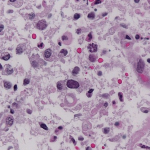

Cats and Toxoplasma: A New MiRNA Discovery
Could your cat’s mysterious behavior hint at a hidden health puzzle? Recent research delves into the world of microRNAs (miRNAs) in our feline friends when they encounter the common parasite Toxoplasma gondii.
As cat parents, we’re often baffled by sudden changes in our pets’ appetites or moods. Imagine Tiger, your usual playful kitty, turning aloof without warning. These tiny behavioral clues might spring from intricate processes happening within their small intestine. This is where it gets intriguing…
Understanding the Science: The Research Unveiled
This study, a pioneering exploration, was an observational analysis focusing on miRNA expression in 15 cats. Some of these cats were just having a regular day, while others were dealing with a sneaky intruder: Toxoplasma gondii, a parasite that uses cats as hosts. Researchers closely monitored and analyzed the small intestines, where this parasite loves to hang out.
The Findings in Plain Terms
- Cats infected with T. gondii showed significant changes in miRNA expressions.
- At different stages of infection, certain miRNAs, such as miR-199b-5p, were consistently downregulated.
- The biggest miRNA changes occurred just as cats began shedding oocysts, which are vital for parasite reproduction.
What can’t we say yet? While the study shows these miRNA changes coincide with infection, it can’t confirm they directly cause or result from parasite behaviors.
The Pet Owner Playbook: Protecting Paws and Purrs
- Watch Out for Behavioral Changes: Sudden changes in mood or habits can be more than quirks; they could be the first sign of issues such as a parasitic infection. Observing these can be critical.
- Clean Litter Boxes Regularly: Keeping your cat’s litter box clean helps prevent oocyst spread, which is essential for both your kitty and your household.
- Vet Visits: Discuss unusual behaviors with your vet. Early detection can make all the difference.
- Stay Informed: Keep tabs on new pet health studies. Science is every pet parent’s ally.
What This Means for the Future of Pet Care
The world is discovering more about personalized pet health, thanks to studies like this one on miRNAs. Understanding how these tiny but mighty molecules change in your kitty’s gut during infections could lead to revolutionary care strategies and preventive steps.
So what should we do with this new knowledge? Keep our eyes wide open for the bark and purr science is bringing!
Let’s Explore Together
With all this, we’re uncovering a new layer of cat health. Have you ever noticed this pattern in your pet? What’s one small change you’d try this week? If you could ask a vet researcher one question, what would it be?
This article is for education and isn’t veterinary medical advice—if your pet has sudden or severe symptoms, contact a veterinarian. Check out the study: Dynamic landscape of microRNA expression in the feline small intestine during Toxoplasma gondii infection.