
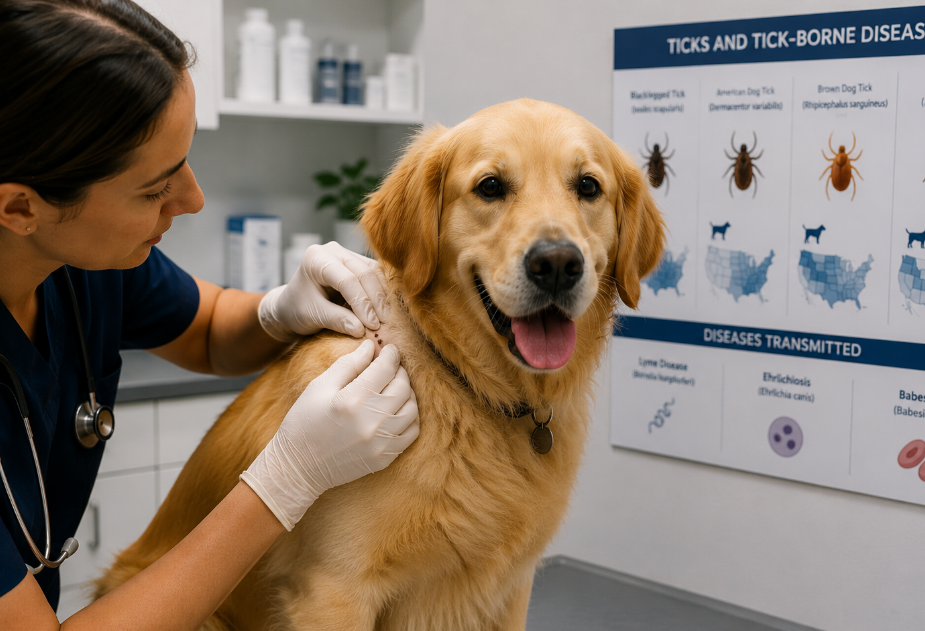
What Science Says About Dog Tick Treatments
Imagine watching your furry friend romp joyously through a forest, only to find a tick clinging to their fur later that evening. For many pet owners, ticks pose not just a nuisance but a genuine health risk. With tick-borne diseases on the rise, knowing how best to protect your dog can be challenging.
Why Tick Protection Matters
Ticks like Ixodes scapularis, commonly known as the blacklegged tick, are notorious for carrying harmful pathogens, including those that cause Lyme disease and anaplasmosis. As these ticks expand their range in North America due to changing ecosystems, the risk to our canine companions increases. Quick-acting tick treatments can minimize this risk, making them an essential part of pet care.
The Study: Examining Tick Treatment Speeds
Researchers recently compared the efficacy and speed of three oral tick treatments to understand which provided the fastest protection. Sarolaner (Simparica Trio™), afoxolaner (NexGard® PLUS), and lotilaner (Credelio Quattro™) were tested against adult Ixodes scapularis ticks. The focus was on how quickly each product killed ticks after administration.
Study Methods and Findings
In the study, 32 beagle dogs were randomly allocated to four groups, receiving one of the tick treatments or a placebo. The dogs were exposed to ticks at various time points: before treatment and again on days 21 and 28 post-treatment. Tick survival rates were measured at intervals up to 48 hours post-exposure.
The findings revealed that lotilaner begins to kill ticks more rapidly than its counterparts, maintaining this speed throughout the 28-day treatment period. In contrast, afoxolaner and sarolaner showed a reduction in speed toward the end of the treatment cycle.
Why These Findings Matter
Efficient tick control is pivotal in preventing the transmission of tick-borne diseases. As ticks need to attach for several hours to transmit pathogens, faster tick kills can reduce infection risk. For pet owners, this means that choosing a treatment like lotilaner that maintains high efficacy throughout the month could offer better protection for their pets.
What This Means for Your Pet
- Protection Timing: Ensure your dog’s tick treatment is initial and consistent in speed throughout the month.
- Product Choice: Lotilaner may be a better choice if you’re looking for a longer-lasting effect, especially in tick-prone areas.
- Observation: Monitor for any changes in your dog’s behavior, such as scratching or licking, which could indicate tick attachment or discomfort.
The Hard Part: Turning Evidence Into Better Pet Care
While the study highlights a promising option, practical pet care decisions factor in cost, availability, and specific regional tick threats. For example, while lotilaner shows sustained efficacy, afoxolaner and sarolaner may still be adequate for less-exposed dogs or where consistent vet access is challenging. Moreover, translating research into daily life involves balancing health benefits with budget considerations.
It’s crucial to consult with your veterinarian to understand the best tick prevention strategy tailored to your pet’s needs and local environment.
In conclusion, keeping your furry companions safe is a blend of informed choices and consideration of real-world evidence. The study underscores the importance of acting swiftly and consistently in tick-prone environments to protect our pets from potential health risks.
Questions for Reflection:
- What tick prevention measures have you found most effective for your dog?
- How do you balance the cost and benefits of different pet care products?
- What signs indicate to you that it might be time to reevaluate your pet’s health strategy?