
Preparing Therapy Dogs: A Lifecycle Approach
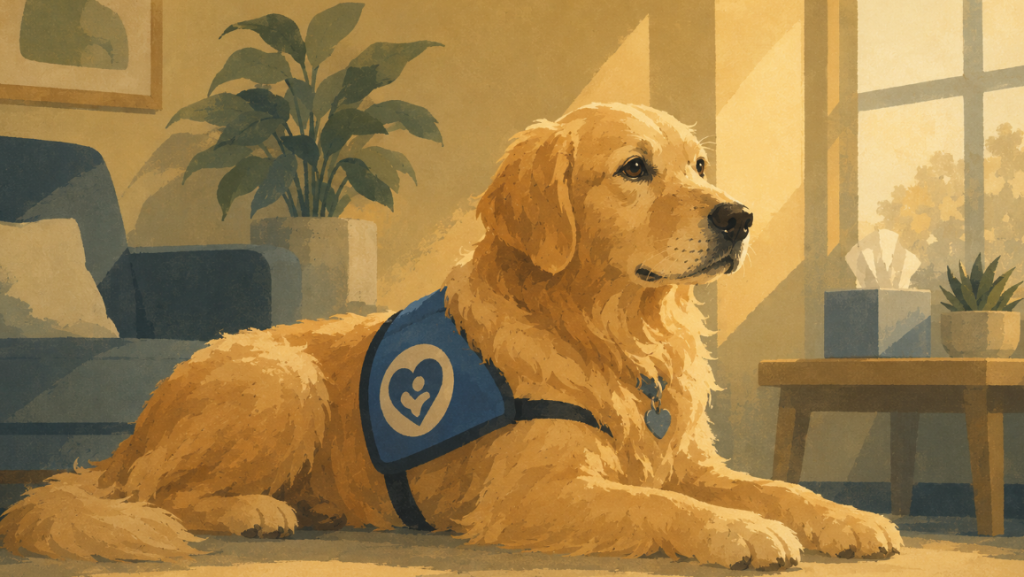
The scene is all too familiar: a gentle therapy dog stands ready in a hospital hallway, tail wagging softly, eyes bright with anticipation to meet its next visitor. Behind the scenes, the handler is in tune with every quiver and pant, ensuring the experience is positive for both the dog and those they encounter. But what does it take to prepare these therapy dogs for their vital work? How can we ensure their welfare and efficacy throughout their service life?
Understanding the Challenges in Therapy Dog Preparation
As therapy dogs are increasingly integrated into healthcare, education, and community settings, the systems that govern their preparation and wellbeing remain fragmented. A recent review highlights the inconsistencies in selection, training, and governance standards across Europe and the United States, urging a more cohesive, welfare-centered approach.
What the Study Asked
This extensive review examined how therapy dogs are prepared and governed, focusing on canine welfare, handler competency, and career management. The goal was to identify areas where standards could be improved to ensure both animal welfare and the quality of animal-assisted services.
Methods and Findings
The researchers reviewed literature from academic databases and grey sources, examining current practices in candidate selection, training methods, welfare monitoring, and zoonotic risk management. They discovered a lack of consistent standards and a growing need for a lifecycle approach that sees preparation as an ongoing process rather than a one-time certification.
Why It Matters
Effective preparation is crucial for the wellbeing of therapy dogs and human safety. Therapy dogs work in diverse environments, often alongside vulnerable populations, where their ability to remain calm, cooperative, and healthy is essential. The findings suggest that a dog’s readiness is a dynamic quality of the dog-handler team, influenced by context and ongoing support.
What This Means for Your Pet
- Selecting Therapy Dogs: Emphasize temperament and health assessments that consider specific intervention contexts instead of generalized suitability. Ensure veterinary checks and context-specific training are part of the process.
- Training Approach: Look for reward-based, humane training methods that promote positive welfare and allow dogs to engage willingly without coercion.
- Handler’s Role: Recognize that the handler’s skills in stress recognition and environmental management significantly impact the dog’s welfare and the session’s success.
- Monitoring Welfare: Implement multimodal assessments during service to ensure that dogs remain comfortable and engaged, considering both physiological and behavioral indicators.
- Lifestyle Management: Plan for workload regulation and retirement as part of a welfare-centered long-term strategy.
The Hard Part: Turning Evidence Into Better Pet Care
While diverse governance frameworks offer some structure, the lack of uniform standards remains a hurdle. Owners and certifying organizations should focus on core welfare principles, including documented selection, team assessments, and handler education. More research is necessary to provide evidence-based guidance on workload limits and when to retire therapy dogs.
Incorporating these measures requires commitment and resources, yet the payoff is immense—ensuring the wellbeing of these invaluable canine partners and the individuals they assist. Understanding the dynamic nature of therapy dog work and aligning preparation with welfare-centric principles can enhance service experiences and improve outcomes.
Final Thoughts
Caring for therapy dogs extends beyond physical health to include emotional and psychological wellbeing throughout their service. By adopting a lifecycle approach, we provide the support needed to sustain these special animals in their roles as comforters, healers, and companions. This holistic view can significantly influence the standards and outcomes of therapy dog programs, aligning with their purpose of fostering human-animal bonds underpinned by respect and care.
As we navigate the nuances of therapy dog preparation, we must ask ourselves:
- What signs or changes should prompt a review of a therapy dog’s role or workload?
- How can we ensure our training methods align with best welfare practices?
- In what ways can handler education be improved to support both human and canine team members?