How Tweaking Cat Food Smell Can Help Fussy Felines Eat: Science-Backed Tips for Pet Owners
Why some cats suddenly refuse food — and what new reporting suggests
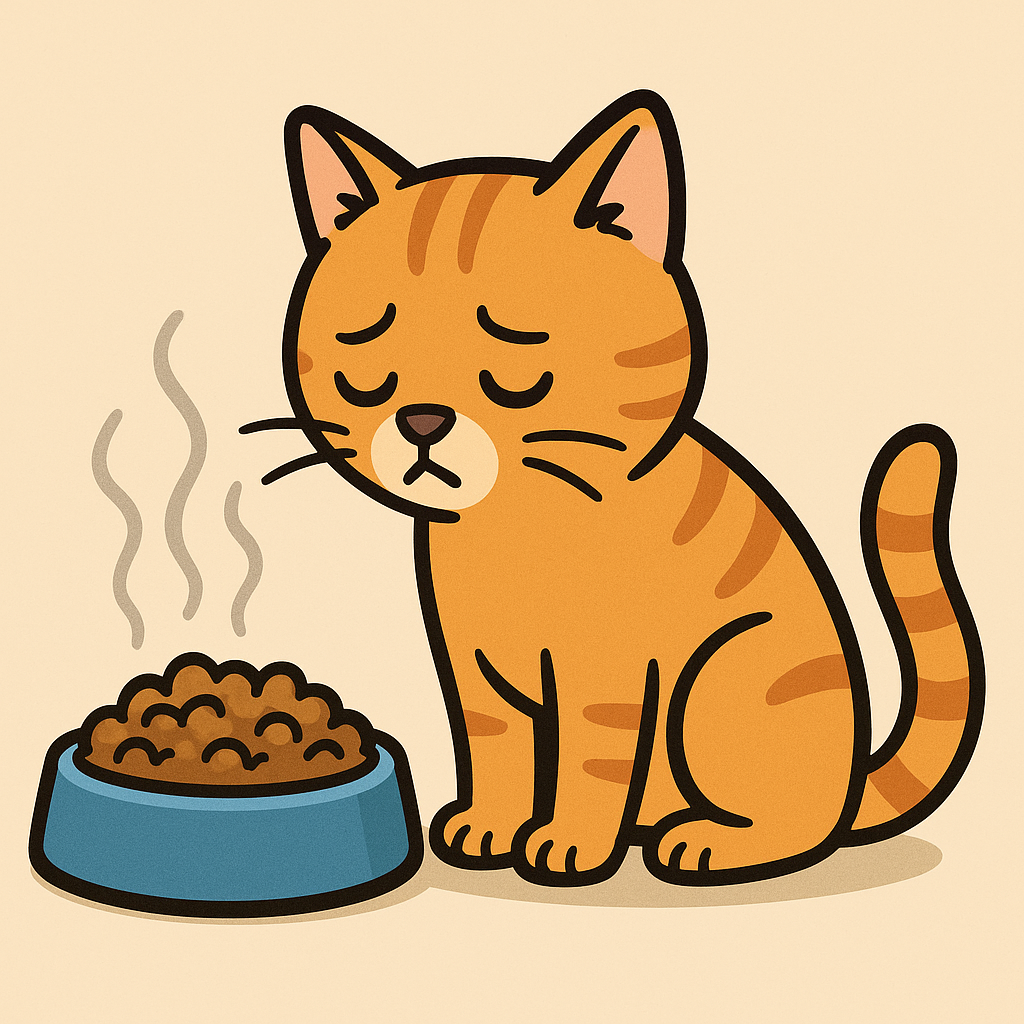
If you’ve ever opened a tin of food only to have your cat turn away, you know how baffling and stressful fussy eating can be. My cat Lucky would just suddenly look at me like I had severed her slop.
Recent coverage highlights a simple but powerful lever that pet owners often overlook: smell. A New Scientist report summarizes research and expert observations showing that altering the aroma profile of a meal can be enough to coax many cats back to the bowl.
This isn’t a trick for every case — appetite changes can signal dental pain, digestive problems or systemic illness — but the new coverage frames smell as an underused first step before escalating to diagnostics or diet overhauls.
What the science and reporting actually say
The New Scientist piece reports that some cats abruptly stop eating foods they have long accepted, and that changing how the food smells can resolve the behavior for many animals. The article frames smell as a primary cue for cats when evaluating food and highlights that small scent changes can rekindle interest where other approaches fail.
At the same time, a separate line of research, reported in ScienceDaily, asks a different but related question: how social contact shapes microbial communities. A study of island birds reported that stronger social ties predicted more similar gut microbes, and the researchers observing those birds suggested that comparable microbial sharing could be occurring in human households. For pet owners, this is a useful reminder: what we feed and how we feed — including smells, textures, and routines — are part of a household ecosystem where microbes, habits, and preferences interact.
Practical, low-risk steps to try when your cat turns up its nose
Below are pragmatic, beginner-friendly measures inspired by the idea that smell matters and by the household-microbiome perspective, which sees pet-eating behavior as part of a wider domestic ecology.
- Offer a small, attractive topper: Adding a spoonful of a strongly scented, cat-safe topper or a little warm broth (unsalted, onion- and garlic-free) can increase aroma and encourage a first mouthful. Only use ingredients vets consider safe for cats.
- Keep feeding routines consistent: Smell cues interact with timing and context. Regular, calm mealtimes help cats associate the aroma with a predictable reward, which may reduce episodes of refusal driven by novelty or anxiety.
- Watch for medical red flags: If smell-focused changes fail, or if refusal is accompanied by weight loss, drooling, bad breath, vomiting, lethargy, or behavioral shifts, seek veterinary care. Loss of appetite can hide dental pain, infections, or metabolic disease and should not be ignored.
When smell changes won’t fix the problem
Smell-based fixes are not a panacea. If a cat suddenly rejects many foods or shows other clinical signs, professional assessment is the next responsible step. The New Scientist reporting is clear that scent is an important lever, but that it belongs in a decision tree that includes medical evaluation when needed.
Thinking bigger: households, microbes and long-term feeding choices
The ScienceDaily piece on the social transmission of gut microbes in birds encourages a broader view of pet feeding: our homes are shared biological environments. Routine, people and other animals shape microbial exposure and food preferences over time. That suggests two practical implications:
- Small, stable changes are easier to sustain. If you switch a cat’s food, do so gradually and maintain consistent feeding cues so both scent and microbiome exposures change slowly.
- Hygiene and cross-exposure matter. Basic hygiene at feeding time, combined with awareness of household habits (for example, where food is stored and how often bowls are cleaned), helps manage both palatability and microbial risks.
Those suggestions do not come from a single definitive study of pets; they are a cautious synthesis of the idea that social contact influences microbes and of the practical observation that smell guides feline eating choices (Science Daily, New Scientist).
Household hazards and when to get urgent help
Pet owners also need to be alert to environmental risks that can lock in appetite problems or cause acute harm. For example, household pests — including spiders — can bite people and animals. The BBC has addressed concerns about spider bites and advised caution and medical attention when unexpected symptoms appear (BBC). If you suspect your pet has been bitten and shows swelling, pain, lethargy or changes in behavior, consult your veterinarian promptly.
Key emergency signs for pets
- Severe or progressive swelling around the mouth or face
- Difficulty breathing, collapsing, unresponsiveness
- Repeating vomiting, inability to hold water
These warrant urgent veterinary attention rather than home remedies.
What to take away
New reporting suggests a surprisingly effective and low-cost place to start when a cat becomes fussy: scent. Changing aroma, like gently warming food, trying a different-smelling formula, or adding a small, safe topper can restore interest for many animals. That strategy is most useful when paired with attention to household routines, hygiene, and the broader context of pet and human microbiomes highlighted by researchers (Science Daily).
If smell-based experiments don’t help, or if your cat shows signs of illness, get a veterinary assessment. And as with any household health concern, take obvious hazards seriously and seek urgent care when severe symptoms appear (BBC). With a little patience, a few smell-focused nudges, and the right professional backup, most picky-eating episodes can be managed without panic — and you may well find your cat back at the bowl after the very first sniff.