
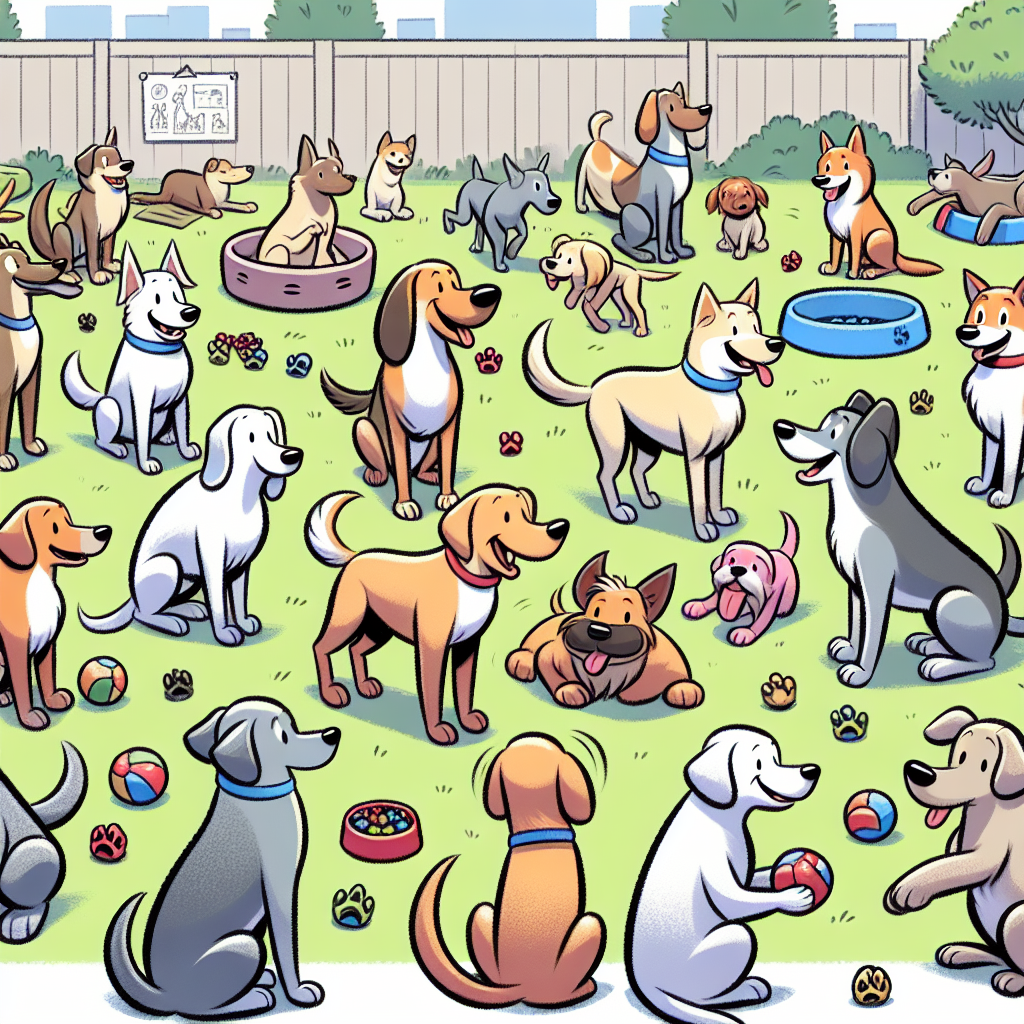
Canine Social Structures and Its Impact on Pet Health
In recent years, studies have delved deeper into the social behaviors and structures of domestic dogs and their wild ancestors. The revelations from these studies have significant implications for how we perceive pet health and welfare, particularly in domestic settings.
The New Canine Social Structure
A groundbreaking study has shown that dog social structures are more complex than previously thought. Unlike the simple pack hierarchy often depicted in popular culture, dogs exhibit dynamic, adaptable social behaviors across various environments and communities.
A study highlighted on Scientific American suggests that social bonds among canines are influenced by factors such as environment, resource availability, and individual personalities. This understanding shifts how we view dominance and leadership within group dynamics.
Implications for Domestic Canines
Recognizing these social nuances is critical for pet owners and veterinarians. Traditional training methods that emphasize dominance may not be as effective or humane now that we understand dogs’ social interactions more fully. Balanced training, which promotes rewarding desirable behaviors and understanding individual dogs’ behaviors, aligns better with this new understanding.
Pet Health Benefits from Understanding Social Structures
Health outcomes in pets can significantly improve when their social structures are understood and respected. Stress levels in dogs have been shown to correlate with how their human caretakers manage their social environments. By fostering positive interactions and reducing stressors stemming from misunderstood social hierarchies, health professionals can enhance overall canine wellness.
On Science News, studies highlight that stress and anxiety in dogs not only affect their mental health but can also manifest as physical symptoms, mimicking other severe health issues. Veterinarians increasingly recommend strategies focusing on social enrichment and mental stimulation as part of routine health care.
Recommendations for Pet Owners
- Understand Your Dog’s Personality: Recognize and respect your pet’s unique traits and tendencies. Each dog may respond differently to similar stimuli, and understanding this can foster a healthier environment.
- Promote Positive Social Interactions: Encourage your pets to engage in activities that reflect their natural behaviors, such as group play or exploration, to maintain their mental and physical health.
- Adopt Balanced Training Methods: Consider training approaches that emphasize positive reinforcement tailored to individual dog behavior rather than one-size-fits-all dominance techniques.
The Future of Pet Health
As our understanding of canine social structures evolves, so too must our methods for ensuring their health and happiness. This newfound knowledge empowers pet owners to create environments that meet their pets’ needs, thereby enhancing their quality of life.
For further insights into pet health and behavior, keeping abreast of the latest research published in reputable journals such as BBC and New Scientist can provide valuable guidance and recommendations.