
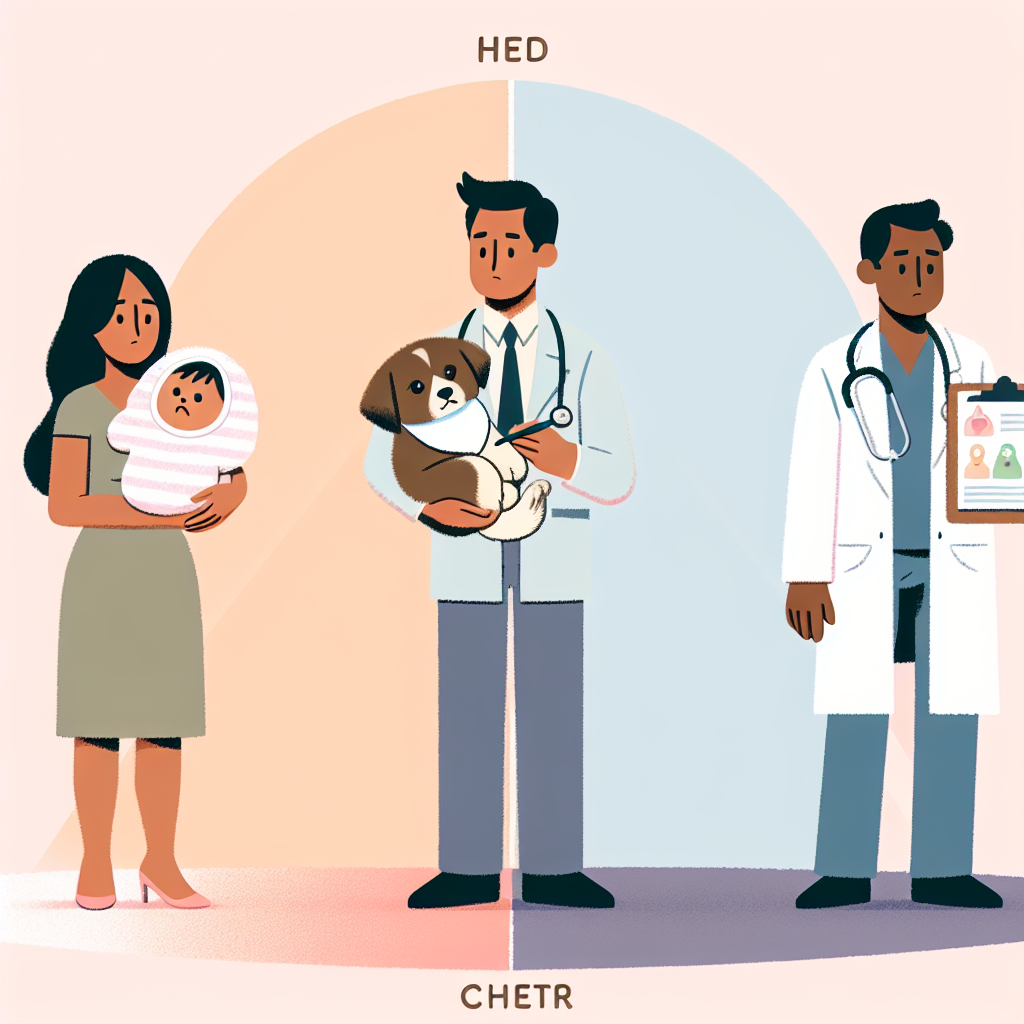
Stop Treating Pets Like Human Babies
There has been a growing trend among pet owners to treat their furry companions as surrogate children. This shift, often referred to as treating pets as ‘fur babies’, is not just a cultural phenomenon but also has profound health implications for both pets and humans. This article delves into the potential ramifications of this trend, backed by recent studies and expert insights.
Understanding the ‘Fur Baby’ Phenomenon
As more people choose to pamper their pets with luxurious amenities, clothing, and even gourmet meals, the line between human parenting and pet ownership is increasingly blurred. According to a National Geographic article, this behavior has evolutionary roots, with pets fulfilling human emotional needs similar to those of children.
Emotional and Psychological Effects on Pets
One of the main issues with treating pets as babies is the psychological and emotional strain it can impose on animals. Pets, especially dogs and cats, can become confused by such treatment, leading to behavioral issues. The Nemours KidsHealth highlights that while pets provide companionship, over-humanizing them can lead to a lack of understanding of their natural behaviors.
- Stress and Anxiety: Pets that are treated as human children might experience stress and anxiety due to unrealistic expectations and a lack of fulfilling instincts, such as hunting or foraging.
- Behavioral Problems: Treatment mismatches can lead to behavioral problems such as aggression, excessive barking, or even depression-like symptoms in pets.
Health Risks for Children
Having pets can benefit children’s immune systems, reduce allergies, and teach responsibility. However, when pets are treated too much like humans, especially in households with young children, there could be serious health risks. Mayo Clinic warns about zoonotic diseases like toxoplasmosis, which can be transferred through improper handling or sanitation.
Zoonotic Diseases and Pets
Pets can carry various pathogens that can pose health risks to humans, especially young children, the elderly, and those with weakened immune systems. According to a Cornell University study, diseases transmitted from pets include:
- Parasites, Such as roundworm or hookworm, can cause significant health problems.
- Bacterial Infections: Like salmonellosis, which can be contracted from reptiles and amphibians.
Adapting to a Balanced Approach
To mitigate these risks, pet owners are encouraged to maintain a balance between affection and practicality. HelpGuide.org advocates for responsible pet ownership that considers the animal’s natural needs and healthcare requirements.
Practical Tips for Pet Care
- Understanding Pet Needs: Pets have different physical and emotional needs compared to humans. Educate yourself on these needs to better care for your pet.
- Regular Veterinary Visits: Routine check-ups help in early detection of potential health issues which could be exacerbated by human-like treatment.
- Maintain Hygiene: Ensure both you and your pets maintain good hygiene practices to prevent the spread of infections.
‘While pets can be wonderful companions, it’s crucial to remember that they are not humans and treating them as such can impose undue stress on their mental well-being.’
Conclusion
Understanding and respecting pets’ unique needs can lead to healthier relationships and better overall health for both humans and animals. It’s essential to recognize the implications of over-humanizing pets and adopt more balanced approaches to pet care. By doing so, you can ensure a healthier, happier life for your four-legged family members.
Tags
Related posts:
 Pets, Pests, and Profit Animals: What Science Says About How We Really Feel About Our Furry (and Not-So-Furry) Friends
 The Urban Rat Explosion: Understanding the Causes and Consequences
 Pets as Health Guardians: Insights Into Their Protective Role Against Pollution
 Why Your Dog Might Be the Best Fitness Coach Your Teen Ever Had