
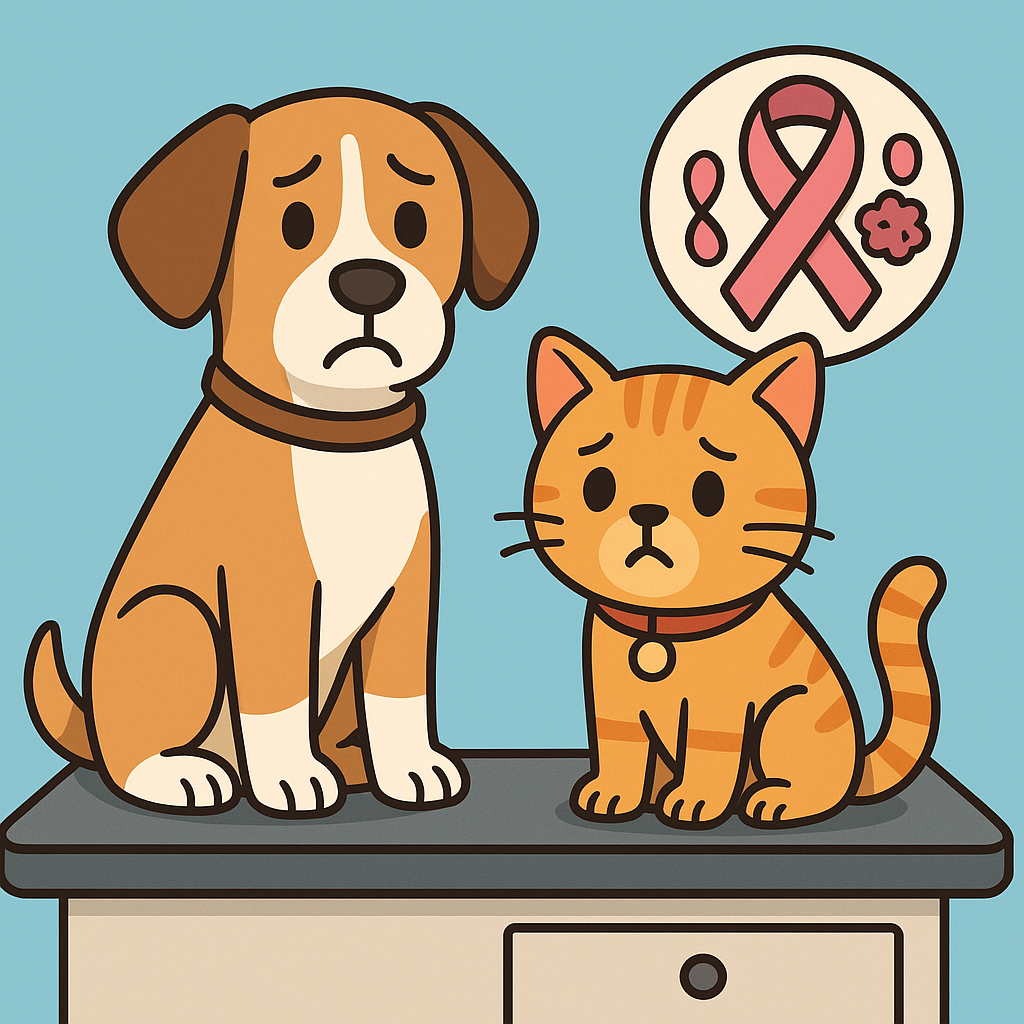
The Alarming Rise of Cancer in Young Pets:
The health and well-being of our pets is a growing concern for many pet owners. A recent surge in cancer diagnoses among younger pets has raised alarm bells in veterinary communities and among pet lovers alike. Understanding the underlying causes and prevention strategies is crucial for maintaining the health of our furry companions.
The Rising Trend of Cancer in Young Pets
Recent reports indicate a troubling trend: an increase in cancer cases among younger pets. A study presented in Science Daily emphasizes that factors such as changes in diet, environmental toxins, and genetic predispositions may be contributing to this rise. As caretakers of our pets, it is essential to remain informed about these factors.
Type of Cancers on the Rise
- Lymphoma: This cancer primarily affects the lymphatic system.
- Bone Cancer (Osteosarcoma): Often seen in larger breed dogs, this aggressive cancer can develop in young pets.
- Soft Tissue Sarcomas: These cancers, which can develop in muscles, fat, and connective tissues, have shown a notable increase.
Potential Causes of Increased Cancer Incidence
Several hypotheses have been proposed to explain this worrying trend:
Environmental Factors
Exposure to environmental toxins and pollutants, such as pesticides and household chemicals, could be contributing to the uptick in cancer cases. The National Institutes of Health emphasizes the importance of a clean environment for pet health.
Dietary Changes
With the increase in processed foods and commercial pet diets, some studies suggest that nutritional deficiencies or harmful ingredients could impact pet health. Research from the University of Guelph highlights that balanced diets are crucial for long-term health and disease prevention, including cancer.
Genetic Factors
Certain breeds are more genetically predisposed to certain types of cancer. This can often result in hereditary cancer traits manifesting earlier in life. Understanding breed-specific risks is vital for proactive health checks.
Prevention and Care Strategies
While it can be daunting to confront the rising risks of cancer in younger pets, there are several proactive measures that pet owners can adopt:
Regular Veterinary Check-Ups
Frequent health check-ups and vigilant monitoring for any irregular behaviors or symptoms can facilitate early detection and treatment of potential health issues.
Healthy Diet and Nutrition
Ensuring that pets receive a balanced, nutritious diet plays a critical role in preventing illness. Consulting with veterinarians about potential dietary improvements can make a significant difference.
Limiting Exposure to Toxins
Minimizing exposure to harmful chemicals, such as pesticides or cleaning products, is essential. Using pet-safe products can also reduce risks.
Conclusion
The increase in cancer among young pets is a pressing issue that warrants attention. Understanding the risk factors and implementing proactive strategies can significantly enhance our pets’ quality of life. Pet owners should work closely with their veterinarians to ensure their furry friends receive the best possible care, thereby reducing the odds of cancer and promoting healthier lives.