
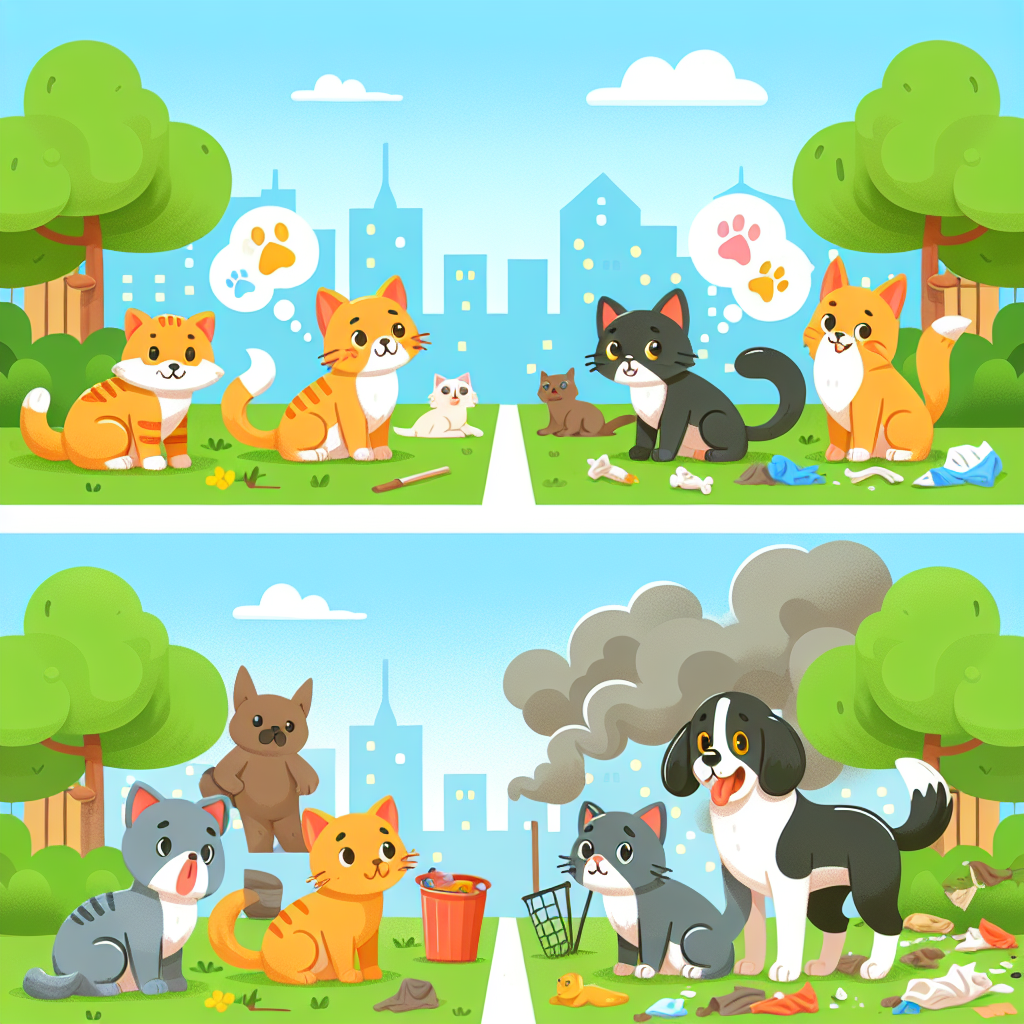
How Pollution Affects Pets
In recent times, understanding how pollution affects not just humans but our pets has become increasingly critical. As the impact of environmental pollution grows more complex, the effects on our beloved pets have emerged as a vital area of study. In insights gathered from the latest research, we explore how pollution impacts pet health, what signs to watch for, and how to protect them.
The Invisible Enemy: Air Pollution and Pets
Air pollution, often considered a human health issue, also significantly affects animals. Pets are exposed to air pollutants such as particulate matter, volatile organic compounds, and smoke from wildfires, which can lead to respiratory issues including asthma and bronchitis. An article by the New York Times examines how these pollutants are harmful not only to humans but to pets as well, emphasizing the need for awareness and preventive measures.
Wildfires and Their Impact
As wildfires become more frequent, they generate large volumes of smoke that contain harmful particles. The American Veterinary Medical Association provides guidance on how wildfire smoke can affect pets, highlighting the risks of respiratory distress and other health issues due to smoke inhalation.
Indoor Pollutants: A Hidden Danger
Indoor air pollution is also a burgeoning concern. Many households may unknowingly expose their pets to harmful chemicals from cleaning products and tobacco smoke. According to a study shared by PubMed Central, pets with pre-existing conditions such as bronchial or lung diseases are especially vulnerable to indoor air pollution, driving the need for improved ventilation and pet-safe cleaning alternatives.
Protective Measures for Pet Owners
To safeguard pets from pollution, pet owners can take several important actions:
- Limit time outdoors during high pollution days and ensure frequent water breaks.
- Maintain indoor air quality using air purifiers that can filter fine particulate matter and other pollutants.
- Regularly monitor pets for any signs of respiratory distress, such as coughing or wheezing, and consult a veterinarian if symptoms occur.
An insightful discussion on protecting pets from pollution, including practical tips, can be found in this NYTimes article.
The Larger Picture: Pets as Indicators of Environment Health
Interestingly, as noted in the New York Times, pets could serve as early indicators of environmental distress. Monitoring pet health can help highlight rising pollution levels potentially affecting broader ecosystems, offering a dual benefit for animal and human health.
Ultimately, as we grow more conscious of the environmental challenges facing our world, acknowledging and mitigating pollution impacts on pets becomes not only an ethical imperative but also a step towards greater ecological responsibility. This synthesis of current research helps us prepare to face these challenges, ensuring that our pets remain healthy and happy.